

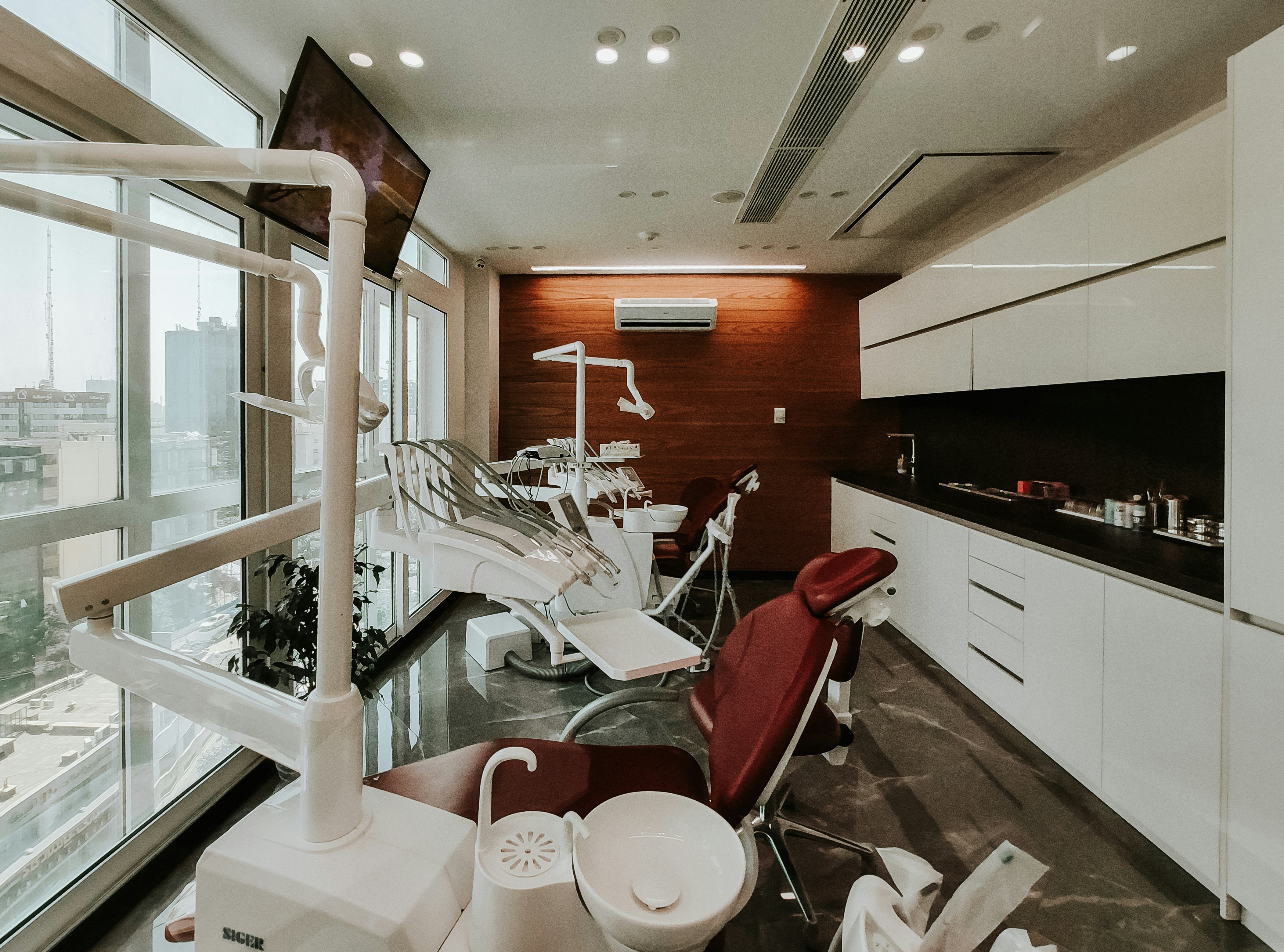
What is IV Sedation Training for Dentists?
You've been referring anxious patients to oral surgeons for years. You've watched $15,000-$25,000 walk out your door every month. You've had patients decline comprehensive treatment plans because they're too anxious to sit through multiple appointments.
Now you're considering IV sedation training, but you have questions: What's actually involved? How long does it take? Can I really do this safely? What if I'm not naturally "surgical"? How do I know if I'm choosing the right program?
These are the right questions to ask—and the fact that you're asking them means you're taking this seriously, which is exactly the mindset that creates safe, successful sedation providers.
After training over 1,000 dentists in IV sedation and watching their practices transform, I can tell you this: IV sedation training isn't about discovering hidden surgical talent. It's about following proven systems, building skills progressively, and committing to patient safety above everything else.
This guide walks you through everything you need to know about IV sedation training—from deciding if you're ready, to choosing a program, to what your first day of training will actually look like.
What's Covered:
What IV Sedation Training Actually Teaches You
The Three Types of Dental Sedation Certification Compared
Am I Ready? The Self-Assessment Checklist
What Happens During Training: Day-by-Day Breakdown
How to Choose a Training Program (Red Flags vs. Green Flags)
State Certification Requirements: What You Need to Know
The Real Investment: Time, Money, and Commitment
Common Concerns Addressed: "But What If..."
Your 90-Day Roadmap from Training to First Case
Frequently Asked Questions
What IV Sedation Training Actually Teaches You
Let's start with the fundamentals: what will you actually learn during IV sedation training?
The Core Skill Sets
1. Patient Assessment and Selection
Before you ever administer sedation, you need to identify appropriate candidates. Training teaches you:
Medical History Evaluation:
How to recognize contraindications for sedation
Risk stratification using ASA classifications
Drug interaction assessment
When to consult with patients' physicians
How to document medical clearances
Physical Assessment:
Airway evaluation techniques (Mallampati scoring)
Cardiovascular risk assessment
Baseline vital signs interpretation
Body composition considerations (obesity, elderly patients)
Special population considerations (pregnancy, pediatrics)
Why this matters: Patient selection is your first line of safety. About 40% of successful sedation practice is choosing the right patients for in-office care and recognizing when specialist referral is appropriate.
2. Pharmacology and Drug Administration
This is where most dentists feel least confident initially, and where quality training makes the biggest difference.
You'll learn:
Primary Sedation Medications:
Benzodiazepines (primarily Midazolam): How they work, appropriate dosing, duration of action
Opioids (Fentanyl): Analgesic properties, respiratory effects, reversal agents
Propofol (advanced programs): Ultra-short acting sedative, narrow therapeutic window
Adjunctive agents: Antiemetics, anxiolytics
Dosing Calculations:
Weight-based dosing formulas
Age-adjusted dosing for elderly patients
Titration techniques (adding small increments safely)
Maximum dosing guidelines
How to calculate and prepare medications
Drug Interactions:
Common medication interactions with sedatives
Herbal supplement effects on sedation
Alcohol and recreational drug considerations
Chronic medication effects on metabolism
Reversal Agents:
Flumazenil for benzodiazepine reversal
Naloxone for opioid reversal
When and how to administer
Expected response and duration
Why this matters: Conservative, calculated dosing prevents complications before they start. Understanding pharmacology allows you to make real-time adjustments safely.
3. IV Access and Insertion Techniques
For many dentists, this is their first experience with IV insertion since dental school (if they learned it then).
You'll practice:
Venipuncture Skills:
Vein selection strategies (best sites for access)
Tourniquet application techniques
Sterile technique maintenance
IV catheter insertion and advancement
Securing IV lines for procedure duration
Troubleshooting:
What to do when you can't find a vein
How to handle difficult IV access patients
When to try alternative sites
How many attempts are appropriate before considering alternatives
Practical reality: Most dentists are nervous about IV insertion initially. By the end of training, you'll have inserted 15-25 IVs under supervision. It becomes routine with practice—just like any other clinical skill you've mastered.
4. Patient Monitoring and Vital Sign Interpretation
Continuous monitoring is the backbone of sedation safety. Training teaches you what to watch and how to respond.
Monitoring Systems:
Equipment You'll Use:
Pulse oximetry (oxygen saturation monitoring)
Blood pressure monitoring (automated every 5 minutes)
EKG/cardiac monitoring (heart rate and rhythm)
Capnography (carbon dioxide monitoring—respiratory status)
Visual assessment (color, chest rise, consciousness level)
Vital Sign Interpretation:
What's normal variation vs. concerning trends
When to intervene vs. continue monitoring
Recognizing early warning signs of complications
Documentation requirements for legal protection
Sedation Depth Assessment:
The sedation continuum: minimal to deep sedation
Ramsay Sedation Scale and Modified Observer's Assessment
How to maintain moderate sedation (your target)
Recognizing and responding to over-sedation
Managing under-sedation (anxious patients)
Why this matters: Most complications are preventable through early recognition. Training teaches you to spot trends before they become problems.
5. Emergency Management and Airway Skills
This is what keeps many dentists from pursuing sedation training—but it's also where quality training provides the most value.
You'll learn:
Airway Management:
Basic airway positioning (head tilt, chin lift)
Airway adjuncts (oral and nasal airways)
Bag-valve-mask ventilation techniques
When to escalate to advanced airways
Suction techniques for secretion management
Emergency Recognition:
Respiratory depression signs and symptoms
Cardiovascular emergencies (hypotension, arrhythmias)
Allergic reactions and anaphylaxis
Seizure management
Vasovagal responses
Emergency Response Protocols:
Systematic approach to any emergency
When to stop procedure and focus on patient
How to activate EMS appropriately
Team coordination during emergencies
Documentation of emergency events
Simulation Training:
Practice scenarios in controlled environment
Role-playing different emergency types
Using actual emergency equipment
Building muscle memory for crisis response
Reducing panic through repetition
Practical reality: Emergencies are rare with proper protocols (<0.1% of cases). But being prepared for them is non-negotiable. Quality training includes extensive emergency simulation so you're never facing a situation for the first time.
6. Legal, Regulatory, and Documentation Requirements
This isn't the exciting part, but it's essential for legal protection and regulatory compliance.
You'll understand:
State Regulations:
Your state's specific permit requirements
Facility requirements and inspections
Equipment mandates
Continuing education obligations
Scope of practice limitations
Documentation Standards:
Pre-sedation assessment forms
Informed consent best practices
Intra-operative monitoring records (vital signs every 5 minutes)
Post-sedation recovery documentation
Complication reporting requirements
Insurance and Liability:
Malpractice coverage for sedation
Informed consent to reduce liability
Documentation as legal protection
When to consult attorneys or board
Why this matters: Proper documentation protects you legally and ensures you meet regulatory standards. It's tedious but critical.
The Surgical Component: Third Molar Extraction Training
Most comprehensive IV sedation programs also include surgical training, particularly for third molar (wisdom teeth) extractions. This is strategic—third molars represent the highest-volume procedure where anxious patients are referred out.
Surgical skills taught:
Diagnosis and Treatment Planning:
Radiographic assessment (panoramic and CBCT interpretation)
Impaction classification systems
Risk assessment (nerve proximity, sinus relationships)
When to refer vs. treat in-office
Surgical Techniques:
Flap design for surgical access
Bone removal with handpieces and burs
Tooth sectioning techniques
Wound closure and suturing
Post-operative care protocols
Complication Prevention:
Avoiding nerve damage
Managing dry socket risk
Controlling bleeding
Infection prevention
Pain management strategies
Why surgical training matters: Combining sedation with surgical skills creates the complete skill set for high-value procedures. Patients need both comfortable sedation AND quality surgical care.
The Three Types of Dental Sedation Certification Compared
Not all sedation training is created equal. Understanding the three levels helps you choose the right path for your practice goals.
Level 1: Minimal Sedation (Oral Conscious Sedation)
What it is: Oral administration of anti-anxiety medications (typically benzodiazepines or antihistamines) that reduce anxiety while maintaining full consciousness.
Training requirements:
7-16 hours of didactic education (varies by state)
No live patient experience required in most states
Limited monitoring requirements
Minimal facility modifications needed
Patient experience:
Mild relaxation, remains fully conscious
Can respond normally to questions
Drives themselves home (in most cases)
Some anxiety reduction but not profound comfort
Procedures appropriate for:
Simple fillings and cleanings
Short procedures on mildly anxious patients
Pediatric behavior management
Patients who don't want deeper sedation
Practice impact:
Minimal revenue increase ($5,000-$15,000 annually)
Cannot retain complex referred cases
Limited differentiation from competitors
Useful adjunct but not transformative
Investment:
Training cost: $1,000-$3,000
Equipment needed: Minimal (basic monitoring)
Total investment: $2,000-$5,000
Who this is right for:
Dentists wanting to "dip their toe" into sedation
Practices focused on pediatrics
Dentists not interested in surgical procedures
Limited budget for training and equipment
Level 2: Moderate Sedation (IV Conscious Sedation)
What it is: Intravenous administration of sedatives and analgesics creating deep relaxation while maintaining protective reflexes and response to stimulation.
Training requirements:
60+ hours didactic education
20+ live patient sedation experiences
ACLS certification required
Facility inspection and equipment requirements
State permit application and approval
Patient experience:
Deep relaxation, reduced consciousness
Responds to verbal or tactile stimulation
Minimal to no memory of procedure
Profound anxiety relief and comfort
Requires escort for transportation home
Procedures appropriate for:
Complex restorative (crowns, bridges, multiple fillings)
Extractions including wisdom teeth
Implant placement
Root canals
Any procedure causing patient anxiety
Practice impact:
Significant revenue increase ($150,000-$300,000+ annually)
Retain 80-90% of previously referred cases
Major market differentiation
Transformative for practice growth
Investment:
Training cost: $15,000-$20,000
Equipment needed: $25,000-$40,000 (monitoring, emergency supplies)
Total investment: $40,000-$60,000
ROI timeline:
Break-even: 6-12 months
First-year return: 300-500%
Long-term annual return: Ongoing $150K-$300K+
Who this is right for:
General dentists currently referring anxious patients
Practices seeking significant revenue growth
Dentists comfortable with medical procedures
Commitment to ongoing safety excellence
This is the "sweet spot" for most general dentists—providing profound patient comfort with excellent safety profile and dramatic practice impact.
Level 3: Deep Sedation/General Anesthesia
What it is: Medications producing unconsciousness where patients cannot be easily aroused, often with impaired airway reflexes.
Training requirements:
Anesthesiology residency (3+ years) OR
Oral surgery residency (4-6 years) OR
Extensive hospital-based training (200+ cases)
Advanced airway management certification
Comprehensive facility requirements
Patient experience:
Complete unconsciousness
No awareness or memory
Airway support often required
Maximum comfort but requires advanced skills
Procedures appropriate for:
Extensive surgical cases
Patients with severe medical complications
Pediatric patients requiring complete sedation
Cases requiring muscle relaxation
Practice impact:
Primarily domain of specialists (oral surgeons, anesthesiologists)
Requires significant additional training beyond standard dental education
Higher risk profile requiring advanced skills
Investment:
Training cost: Residency program or $50,000+ for hospital-based training
Equipment needed: $75,000-$150,000+ (advanced monitoring, anesthesia equipment)
Facility requirements: Often hospital-level standards
Total investment: $125,000-$200,000+
Who this is right for:
Oral surgeons and specialists
Dentists with anesthesiology background
Practices focused exclusively on sedation/anesthesia services
NOT typically appropriate for general dentists
Recommendation for general dentists: Focus on moderate sedation (Level 2). It provides the ideal balance of patient comfort, safety, practice profitability, and training accessibility.
Am I Ready? The Self-Assessment Checklist
Before investing in IV sedation training, assess your readiness across four dimensions: clinical, business, personal, and logistical.
Clinical Readiness
☐ I have at least 3-5 years of clinical dental experience
New graduates should establish foundational skills first
Sedation adds complexity—better with experience base
☐ I'm comfortable with dental procedures under local anesthesia
Sedation doesn't replace technical skill
You need solid procedural foundation first
☐ I currently refer anxious patients to specialists
This indicates demand for sedation in your patient base
You have immediate revenue opportunity
☐ I'm interested in learning surgical techniques (extractions, implants)
Sedation pairs best with procedural dentistry
Maximizes training ROI and practice impact
☐ I maintain current certifications (CPR, etc.)
Shows commitment to continuing education
ACLS will be required for sedation permit
Business Readiness
☐ My practice has been established for 3+ years
Stable patient base provides sedation candidates
Financial stability allows training investment
☐ I have 800+ active patients
Adequate volume to generate sedation cases
Typical practice has 30-40% anxious patients (240-320 potential candidates)
☐ I can invest $40,000-$60,000 in training and equipment
Realistic investment expectation
Financing options available but need to budget
☐ I have 6-12 months for payback timeline
Revenue builds gradually as skills develop
Conservative expectation creates realistic planning
☐ My staff is supportive of practice growth
Team buy-in essential for implementation success
Staff will need training in sedation protocols
☐ I have physical space for sedation setup
Need dedicated operatory for sedation equipment
Recovery area for post-procedure monitoring
Personal Readiness
☐ I'm detail-oriented and protocol-focused
Sedation safety requires systematic approach
Checklists and procedures are non-negotiable
☐ I'm committed to ongoing education
Continuing education required for permit maintenance
Best practitioners pursue advanced training regularly
☐ I can handle medical emergencies calmly
Emergency preparedness is fundamental
Training will prepare you, but temperament matters
☐ I want to expand my clinical capabilities
Genuine interest in sedation dentistry
Not just chasing revenue without clinical interest
☐ I can dedicate time to implementation
First 30 days require focused attention
Building new systems takes commitment
☐ I'm willing to start conservatively and build
Simple cases first, complexity later
Ego doesn't override safety judgment
Logistical Readiness
☐ I can take 3-7 days away from practice for training
Most intensive programs are 3-5 days
Quality training requires focused time investment
☐ I have identified 2-3 training programs to evaluate
Research and comparison critical for right choice
Not all programs offer equal value
☐ I understand my state's permit requirements
Requirements vary significantly by state
Knowing requirements guides training selection
☐ I have malpractice insurance that will cover sedation
Most carriers cover trained practitioners
May need policy endorsement or modification
☐ I have considered equipment placement and workflow
Where will monitoring equipment go?
How will scheduling change with sedation cases?
Scoring Your Readiness
15-20 items checked: You're ready to pursue IV sedation training. Begin researching specific programs and timing.
10-14 items checked: You're close but have some preparation needed. Address gaps before committing to training.
5-9 items checked: You should wait and develop readiness. Focus on building practice stability and clinical experience.
0-4 items checked: IV sedation training isn't appropriate for you at this time. Consider minimal sedation or wait until practice situation changes.
What Happens During Training: Your Day-by-Day Experience
Let's demystify what actually happens during comprehensive IV sedation training. Using Western Surgical & Sedation's program as an example:
Pre-Course Preparation (2-4 Weeks Before)
You'll receive:
Pre-course study materials (pharmacology, patient assessment)
Required reading assignments (sedation protocols, emergency management)
Pre-test assessment (establishes baseline knowledge)
Equipment list review (what you'll use during training)
Case study scenarios to review
Your preparation:
Complete all reading (typically 20-30 hours study time)
Review pharmacology concepts
Ensure ACLS certification is current or scheduled
Complete pre-course test
Prepare questions for instructors
Why this matters: Quality programs "flip the classroom"—theoretical knowledge is acquired before arrival so training time focuses on hands-on skill development.
Day 1: Foundations and Patient Assessment
Morning Session (8:00 AM - 12:00 PM):
8:00 - 9:00 AM: Welcome and Program Overview
Instructor introductions and credentials
Learning objectives and competencies
Training schedule and expectations
Facility tour and equipment orientation
9:00 - 10:30 AM: Sedation Pharmacology Review
Benzodiazepine mechanisms and dosing
Opioid pharmacology and respiratory effects
Reversal agents (flumazenil, naloxone)
Drug interactions and special populations
Q&A on medications
10:30 - 12:00 PM: Patient Assessment Systems
Medical history evaluation techniques
ASA classification practical application
Physical assessment and airway evaluation
Risk stratification case studies
When to refer vs. treat in-office
Lunch Break (12:00 - 1:00 PM)
Afternoon Session (1:00 - 5:00 PM):
1:00 - 2:30 PM: Monitoring Equipment and Vital Signs
Pulse oximetry principles and interpretation
Blood pressure monitoring techniques
EKG basics and rhythm recognition
Capnography introduction
Documentation requirements
2:30 - 4:00 PM: IV Access Skills Workshop
Venipuncture demonstration by instructor
Anatomy review of common IV sites
Hands-on practice with mannequin arms
Troubleshooting difficult IV access
Securing and maintaining IV lines
4:00 - 5:00 PM: Emergency Preparedness Introduction
Emergency scenarios overview
Equipment location and organization
Basic airway management demonstration
Team roles during emergencies
Review of Day 2 patient schedule
Evening: Review day's materials, prepare questions, rest before patient day
Day 2: First Live Patient Experiences
Morning Session (7:00 AM - 12:00 PM):
7:00 - 8:00 AM: Pre-Operative Preparation
Review scheduled patients (medical histories, procedures)
Team assignments (2 dentists per patient typically)
Equipment verification checklist
Emergency protocols review
Final questions before patients arrive
8:00 AM - 12:00 PM: Live Patient Sedation Cases (2-3 patients)
Your First Case Experience:
8:00 - 8:30 AM: Patient Arrival and Assessment
You perform pre-sedation evaluation with instructor supervision
Vital signs measurement and documentation
NPO compliance verification
Informed consent review
Final patient questions
8:30 - 9:00 AM: IV Insertion and Sedation Initiation
You insert IV catheter under supervision (your first real patient!)
Attach monitoring equipment
Establish baseline vitals
Begin titrating sedation medications
Document all activities
9:00 - 10:00 AM: Procedure Under Sedation
Instructor performs extraction or procedure (you observe sedation management)
You monitor vital signs continuously
You assist with sedation depth management
Instructor guides decision-making in real-time
You document throughout case
10:00 - 10:45 AM: Recovery and Discharge
You monitor patient recovery
Assess discharge readiness using criteria
Provide post-operative instructions
Document discharge condition
Patient leaves with escort
10:45 - 11:00 AM: Case Debrief
What went well?
What was challenging?
What would you do differently?
Instructor feedback and guidance
Preparation for next case
11:00 AM - 12:00 PM: Additional Cases
Repeat process with 1-2 more patients
Progressive independence with instructor supervision
Building confidence with each case
Lunch Break (12:00 - 1:00 PM): Group lunch, informal Q&A, case discussions
Afternoon Session (1:00 - 5:00 PM):
1:00 - 2:30 PM: Emergency Management Training
Hands-on airway management practice
Bag-valve-mask ventilation technique
Emergency medication administration
Simulated emergency scenarios
Reversal agent practice
2:30 - 4:00 PM: Surgical Extraction Techniques Introduction
Extraction instrumentation overview
Flap design principles
Bone removal techniques
Sectioning demonstration
Suturing techniques
4:00 - 5:00 PM: Day Debrief and Day 3 Preparation
Review of today's cases
Celebration of first successful sedations!
Anxiety check-in (normal to feel nervous)
Review tomorrow's patient schedule
Questions and concerns addressed
Evening: Most attendees are exhausted but excited. Rest well for tomorrow.
Day 3: Increased Responsibility and Surgical Skills
Morning Session (7:00 AM - 12:00 PM):
7:00 - 8:00 AM: Equipment Check and Patient Review
You're now familiar with routine
More independence in preparation
Review today's cases (increased complexity)
8:00 AM - 12:00 PM: Live Patient Cases with Surgical Component (3-4 patients)
Your Second-Day Case Experience:
Now you're handling more of the sedation management independently:
You perform pre-sedation assessment more autonomously
You insert IV with less instructor intervention
You make more sedation dosing decisions (with approval)
You may perform surgical extractions under guidance
Instructor intervenes only as needed for safety or teaching
Progressive Complexity:
Case 1: Simple single extraction (building confidence)
Case 2: Multiple extractions in one sedation appointment
Case 3: Partially impacted wisdom teeth
Case 4: Moderate complexity case with longer duration
Your Role Evolution:
Less hand-holding from instructor
More real-time decision making
Handling minor issues independently
Calling for guidance when appropriate
Lunch Break (12:00 - 1:00 PM): Group debrief, peer learning, case discussions
Afternoon Session (1:00 - 5:00 PM):
1:00 - 3:00 PM: Advanced Surgical Techniques
Complex impaction management
Managing complications (bleeding, bone removal)
Nerve preservation techniques
Post-operative complication prevention
Hands-on mannequin practice
3:00 - 4:00 PM: Advanced Emergency Scenarios
Respiratory depression management
Cardiovascular emergency response
Anaphylaxis simulation
Seizure management
Team coordination drills
4:00 - 5:00 PM: Documentation and Legal Considerations
Complete documentation review
Informed consent best practices
Complication documentation
State permit application process introduction
Evening: Confidence growing significantly. You're starting to see yourself as a sedation provider.
Day 4: Mastery Building and Complex Cases
Morning Session (7:00 AM - 12:00 PM):
8:00 AM - 12:00 PM: Advanced Patient Cases (3-4 patients)
Your Third-Day Experience:
Instructor supervision becomes more observational:
You run the entire sedation process independently
Instructor watches and provides feedback only
You manage sedation depth adjustments autonomously
You handle minor complications without prompting
You demonstrate competence and confidence
Case Complexity Increases:
ASA Class II patients (mild systemic disease)
Longer procedures (multiple teeth, implants)
Patients with more challenging medical histories
Difficult IV access situations
Managing various sedation responses
Lunch Break (12:00 - 1:00 PM)
Afternoon Session (1:00 - 5:00 PM):
1:00 - 3:00 PM: Special Populations and Situations
Pediatric sedation considerations (if program includes)
Geriatric patient management
Obese patient considerations
Patients with sleep apnea
Psychiatric medication interactions
3:00 - 4:00 PM: Business Implementation Planning
Equipment selection and setup
Staff training requirements
Scheduling and workflow optimization
Marketing sedation services
Financial projections and ROI tracking
4:00 - 5:00 PM: State Permit Application Guidance
State-specific requirements review
Application document preparation
Facility inspection preparation
Timeline and follow-up process
Common application mistakes to avoid
Day 5: Final Cases and Certification
Morning Session (7:00 AM - 12:00 PM):
8:00 AM - 12:00 PM: Final Patient Cases (2-4 patients)
Your Certification Cases:
These cases demonstrate competency:
You perform entire sedation process independently
Instructor evaluates your performance systematically
You handle all aspects from assessment to discharge
You troubleshoot problems without assistance
You demonstrate safety-first mentality
Competency Assessment Includes:
Patient selection and assessment
IV insertion technique
Sedation administration and titration
Monitoring and documentation
Emergency preparedness
Surgical technique (if applicable)
Recovery management
Professional communication
Lunch Break (12:00 - 1:00 PM): Celebration lunch, final Q&A, certificate preparation
Afternoon Session (1:00 - 4:00 PM):
1:00 - 2:00 PM: Final Written Examination
Comprehensive test covering all material
Case-based scenarios
Emergency management questions
Pharmacology calculations
Documentation requirements
2:00 - 3:00 PM: Practical Skills Assessment
IV insertion demonstration
Airway management skills
Emergency response simulation
Monitoring equipment proficiency
3:00 - 4:00 PM: Program Completion and Next Steps
Certificate of completion presentation
State permit application finalization
Post-training support resources
Alumni network introduction
Ongoing mentorship information
Final questions and concerns
Program Graduation: You've completed 60+ hours of education and 20+ live patient sedation experiences. You're now a trained sedation provider.
What You'll Actually Feel During Training
Day 1:
Excited but nervous
Overwhelmed by information volume
Concerned about patient responsibility tomorrow
Second-guessing decision to attend
Day 2 Morning:
Terrified before first patient
Massive relief when first IV goes in successfully
Amazed at how well sedation works
Exhausted by lunch from concentration
Day 2 Afternoon:
Confidence starting to build
Realizing "I can actually do this"
Emergency training feels reassuring
Still nervous but less so
Day 3:
Much more comfortable with process
Starting to enjoy sedation cases
Surgical skills developing
Seeing practice applications clearly
Day 4:
Feeling competent (not yet confident, but competent)
Managing cases independently
Less reliance on instructor
Envisioning implementation
Day 5:
Pride in accomplishment
Eager to start at home
Some anxiety about first solo cases
Grateful for ongoing support
This emotional journey is universal. Every dentist goes through it. By Day 5, you'll understand why sedation providers are so passionate about what they do.
How to Choose a Training Program: Red Flags vs. Green Flags
Not all IV sedation training programs are created equal. Here's how to evaluate your options.
Green Flags: Signs of Quality Training
✅ Instructor has extensive active practice experience
Look for 10,000+ personal sedation cases performed
Current active practice (not retired)
Teaches techniques they personally use regularly
Example: Dr. Heath Hendrickson (Western Surgical & Sedation) has performed 60,000+ sedations—unmatched real-world experience informing training.
✅ Program exceeds minimum ADA requirements
60+ hours didactic minimum, but 80+ hours better
20+ live patient experiences standard, more is better
Includes comprehensive emergency training
Covers business implementation, not just clinical skills
✅ Small patient-to-instructor ratios during clinical training
2:1 ratio optimal (two dentists per patient case)
Maximum 4:1 ratio acceptable
One-on-one supervision for early cases
Instructor directly supervises all patient care
✅ Genuine live patient experience (not simulations)
Real patients undergoing actual procedures
You personally insert IVs into patients
You administer sedation under supervision
You manage real-time sedation decisions
Progressive case complexity over training days
✅ Comprehensive emergency training with simulation
Hands-on airway management practice
Realistic emergency scenarios
Actual emergency equipment used
Team coordination drills
Multiple emergency types covered (respiratory, cardiovascular, allergic)
✅ Complete permit application support
State-specific permit guidance
Application document review
Assistance with forms and submissions
Follow-up support if additional info requested
100% permit approval track record
✅ Surgical extraction training included
Third molar surgical techniques
Bone removal and sectioning
Flap design and closure
Hands-on extraction experience
Post-operative management
✅ Post-training mentorship and support
Access to instructors after training
Phone/email consultation for questions
Alumni community for peer support
Continuing education opportunities
Equipment setup guidance
✅ Transparent about outcomes and expectations
Realistic timeline for implementation
Honest about revenue potential
Safety-focused messaging (not just profit-focused)
Graduate testimonials and success stories available
✅ Focus on safety and conservative approach
Patient selection protocols emphasized
Start conservatively, build gradually philosophy
Risk mitigation strategies taught
Documentation for legal protection
Culture of safety over speed
Red Flags: Warning Signs to Avoid
❌ Online-only programs without live patient experience
Cannot learn IV insertion from videos
Cannot develop sedation judgment without patients
Cannot build emergency response skills virtually
Insufficient for safe practice
❌ Promises of "easy money" without emphasizing safety
Revenue potential is real, but safety must come first
Programs emphasizing only financial upside are suspect
Ethical programs balance revenue opportunity with safety responsibility
❌ Instructor without extensive personal sedation experience
Teaching from textbooks vs. real-world practice
Cannot answer nuanced clinical questions
Lacks practical troubleshooting knowledge
May not understand current practice realities
❌ Large patient-to-instructor ratios (6:1 or higher)
Insufficient individual attention
Safety concerns with limited supervision
Less hands-on time per dentist
Rushed clinical experience
❌ Minimal or no emergency training
Sedation without emergency preparedness is dangerous
Quality programs dedicate significant time to emergency management
Lack of emergency training is a major red flag
❌ No post-training support or mentorship
Implementation challenges are guaranteed
Questions will arise after training
Support during first cases is invaluable
Lack of support leaves you stranded
❌ Unclear or hidden costs
Honest programs are transparent about all costs
Watch for surprise fees (application fees, materials, retesting)
Total investment should be clear upfront
❌ High-pressure sales tactics
Quality programs don't need aggressive sales
Scarcity tactics ("only 2 spots left!") are suspect
Pressure to commit immediately is red flag
Ethical programs give time for decision-making
❌ No state permit guidance or poor approval rates
Permit approval should be 95%+ for quality programs
Programs should provide comprehensive application support
Watch out for programs with state board complaints
❌ Unrealistic outcome promises
"Add $500K your first year!" is unrealistic
"$150K-$300K over 12-18 months" is realistic
Programs guaranteeing specific outcomes are suspicious
Honest programs set realistic expectations
Questions to Ask Every Program You're Considering
About the Instructor:
How many personal sedation cases has the instructor performed?
Does the instructor maintain an active sedation practice currently?
How long has the instructor been teaching sedation training?
How many dentists has the instructor trained?
Can I speak with recent graduates about their experience?
About the Training: 6. What is the total number of didactic hours? 7. How many live patient experiences will I have? 8. What is the patient-to-instructor ratio during clinical training? 9. How much hands-on emergency training is included? 10. Is surgical extraction training included or separate?
About Support: 11. What post-training support is provided? 12. How do I contact instructors with questions after training? 13. Is there an alumni network or community? 14. What continuing education opportunities are available? 15. Do you provide equipment setup guidance?
About Permit Process: 16. What is your permit approval rate by state? 17. Do you provide specific guidance for my state? 18. Will you review my permit application before submission? 19. What happens if my application is rejected? 20. How long does permit approval typically take in my state?
About Outcomes: 21. What are realistic revenue expectations in year one? 22. How long until I should break even on my investment? 23. Can you provide graduate case studies or testimonials? 24. What percentage of graduates are actively practicing sedation one year later? 25. What are the most common challenges graduates face?
Red flag answers:
Vague or evasive responses
Inability to provide specific numbers
Unwillingness to connect you with graduates
Defensive responses to questions
Pressure to stop asking questions and commit
Green flag answers:
Specific, detailed responses
Transparency about challenges and realistic outcomes
Eager to connect you with satisfied graduates
Welcome all questions without defensiveness
Encourage thorough research before committing
State Certification Requirements: Your Path to Legal Practice
IV sedation permits are state-regulated, and requirements vary significantly. Here's what you need to know.
Universal Requirements (Applicable to All States)
Minimum Education:
60 hours didactic education in sedation
20 live patient sedation experiences
Instruction in all core competency areas
Completion certificate from approved program
ACLS Certification:
Advanced Cardiovascular Life Support
Must be current (valid for 2 years typically)
Required before permit application in most states
Available through American Heart Association
Application Process:
Submit state-specific application form
Provide training documentation and certificates
Pay application fee ($200-$500 typically)
Await board review and approval
Facility Requirements:
Appropriate equipment for monitoring and emergencies
May require facility inspection
Must meet state-specific standards
Emergency medications and supplies on-site
Continuing Education:
Ongoing CE required for permit renewal
Typically 8-20 hours per renewal period
ACLS must remain current
State-specific requirements vary
State-by-State Variations (Key Examples)
California:
Requirements: 60 hours + 20 patients (ADA minimum)
Facility: Inspection required
Renewal: Annual
Pediatric: Separate endorsement available
Timeline: 8-12 weeks for approval
Texas:
Requirements: 60 hours + 20 patients
Facility: Inspection required
Renewal: Every 2 years with 15 CE hours
Timeline: 4-8 weeks typically
Notes: Streamlined process, generally straightforward
Florida:
Requirements: 24 hours + 10 patients minimum (lower than ADA)
Facility: No inspection typically
Renewal: Biennial with CE
Timeline: 6-10 weeks
Notes: More accessible than most states
New York:
Requirements: 60 hours + 20 patients
Facility: May require hospital privileges in some cases
Renewal: Annual
Timeline: 8-16 weeks
Notes: More stringent documentation requirements
States with No Sedation Permit:
Some states (like South Carolina, as of last update) do not require separate sedation permits. However, you're still held to standard of care and must be properly trained.
Check your state's current requirements at your state dental board website. Requirements change, so verify current regulations.
The Permit Application Process
Step 1: Complete Training (3-5 days intensive)
Attend comprehensive program
Complete all requirements
Receive training certificate
Step 2: Obtain ACLS Certification (1-2 days)
Find American Heart Association course
Complete certification
Maintain 2-year validity
Step 3: Assemble Application Documents (1 week)
Training certificate
ACLS certification
Dental license verification
Equipment list
Facility floor plans (some states)
Emergency protocols documentation
Step 4: Submit Application (1 day)
Complete state application form
Pay application fee
Submit all supporting documents
Request confirmation of receipt
Step 5: Await Review (2-16 weeks depending on state)
Board reviews application
May request additional information
May schedule facility inspection
Issues permit upon approval
Step 6: Facility Inspection (if required, 1-2 weeks)
Inspector visits facility
Reviews equipment and medications
Ensures compliance with standards
Approval issued if compliant
Step 7: Begin Practice (immediate upon permit receipt)
Start with conservative cases
Build experience progressively
Maintain all documentation
Pursue continuing education
Total Timeline: 1-4 months from training completion to first sedation case, depending on state requirements.
Tips for Smooth Permit Approval
✅ Work with training programs that provide permit support
They know state-specific requirements
Can review applications before submission
Understand common pitfalls
Often have 100% approval rates
✅ Submit complete applications the first time
Missing documents cause delays
Double-check all requirements
Include cover letter explaining training
Organize documents logically
✅ Prepare facility before inspection
Have all required equipment installed
Ensure medications are properly stored
Emergency protocols documented
Staff trained on procedures
✅ Respond promptly to any board requests
Boards may request additional information
Quick responses speed approval
Provide comprehensive answers
Maintain professional communication
✅ Don't start sedation practice before permit approval
Practicing without permit is illegal
Can result in board action
Jeopardizes license
Worth the wait for proper approval
The Real Investment: Time, Money, and Commitment
Let's be completely transparent about what IV sedation training actually costs—not just financially, but in time and ongoing commitment.
Financial Investment Breakdown
Training Program: $15,000-$20,000
Comprehensive 3-5 day program
Includes all instructional materials
Live patient experience
Certification upon completion
Western Surgical & Sedation: $17,000 comprehensive program
ACLS Certification: $250-$400
1-2 day course
Valid for 2 years
Required for permit application
Renewal every 2 years
Permit Application: $200-$500
State board fees
Varies by state
One-time application cost
Renewal fees every 1-2 years
Equipment Investment: $25,000-$40,000
Patient Monitoring System ($15,000-$25,000):
Pulse oximeter
Blood pressure monitor
EKG/cardiac monitoring
Capnography (recommended)
All-in-one systems available
Emergency Equipment ($3,000-$5,000):
Oxygen delivery system
Bag-valve-mask (Ambu bag)
Airway management supplies
Suction system
Emergency Medications ($2,000-$3,000):
Reversal agents (flumazenil, naloxone)
Cardiovascular medications
Airway management medications
Antiemetics
IV Supplies ($2,000-$3,000 initial):
IV catheters and supplies
Sedation medications
IV fluids
Sharps containers
Ongoing supplies ($200-$400 per month):
Medications
IV supplies
Disposables
Facility Modifications (if needed): $2,000-$8,000
Varies significantly by state requirements
Some states require minimal changes
Others require specific oxygen systems, emergency lighting, etc.
Consult state regulations before training
Total Initial Investment: $45,000-$70,000
Financing Options:
Practice cash reserves
Equipment financing (48-60 month terms typical)
Business line of credit
Small business loans
Many monitoring equipment manufacturers offer financing
Monthly Payment Example:
Total equipment financed: $30,000
Term: 60 months at 6% APR
Monthly payment: ~$580
First month revenue from sedation typically covers this payment
Time Investment Breakdown
Pre-Training Preparation: 20-30 hours
Reading and studying course materials
Reviewing pharmacology concepts
Watching pre-course videos
Completing pre-tests
Training Week: 3-5 days (full-time)
Monday-Friday typically
8-10 hours per day
Intensive focus required
Away from practice
Post-Training Implementation: 40-60 hours
Equipment setup and installation
Staff training development
Protocol documentation creation
Marketing materials development
Permit application completion
First 30 Days: 10-15 hours additional
Extended appointment times for early cases
Team debriefs and refinement
Documentation system optimization
Building confidence progressively
Ongoing Commitment: 8-20 hours per year
Continuing education requirements
Emergency protocol reviews
Team training updates
ACLS renewal (every 2 years)
Total First-Year Time Investment: 90-130 hours
Front-loaded in first 3 months
Becomes routine after initial implementation
Comparable to other major CE investments
Emotional and Psychological Investment
The investment isn't just financial and temporal—there's real emotional energy required.
What to Expect:
Initial Anxiety (Weeks 1-4):
Normal nervousness before first cases
Self-doubt about capabilities
Concerns about patient safety
Questioning the decision
Building Confidence (Months 1-3):
Each successful case builds confidence
Systems become routine
Team coordination improves
Anxiety decreases significantly
Competence Achievement (Months 3-6):
Sedation feels routine
Confidence in decision-making
Enjoyment of sedation cases
Pride in new capabilities
Mastery Development (Months 6-12):
Handling complex cases comfortably
Troubleshooting problems independently
Teaching team members effectively
Full integration into practice identity
Long-term Reality:
Sedation becomes one of your favorite services
Patient gratitude is deeply rewarding
Practice identity strengthened
Professional satisfaction increased
Return on Investment Analysis
Conservative Scenario:
Total investment: $50,000
Monthly sedation revenue: $15,000
Break-even: 3.3 months
12-month revenue: $180,000
12-month ROI: 260%
5-year cumulative return: $900,000
Realistic Scenario:
Total investment: $55,000
Monthly sedation revenue: $22,000
Break-even: 2.5 months
12-month revenue: $264,000
12-month ROI: 380%
5-year cumulative return: $1,320,000
Optimistic Scenario:
Total investment: $60,000
Monthly sedation revenue: $30,000
Break-even: 2 months
12-month revenue: $360,000
12-month ROI: 500%
5-year cumulative return: $1,800,000
Non-Financial Returns:
Patient satisfaction and gratitude
Professional satisfaction and growth
Practice differentiation and reputation
Team pride and engagement
Reduced referral dependency
Increased practice valuation
The Bottom Line: For most dentists, IV sedation training represents one of the highest-ROI investments available in dentistry—both financially and professionally.
Common Concerns Addressed: "But What If..."
Let's address the real concerns that stop dentists from pursuing sedation training.
"What if I'm not naturally surgical or procedural?"
Reality: Sedation and surgical skills are learned, not innate. Your dental school training proved you can master manual skills through practice.
Consider:
You learned to prep crowns (complex motor skills)
You learned to perform root canals (fine motor control)
You learned to extract teeth (force application and judgment)
Sedation and surgery are no different:
Start with simple cases (single erupted extractions)
Progress gradually to more complexity
Training provides step-by-step techniques
Instructors identify and correct technique issues
Repetition builds skill and confidence
What successful graduates say: "I never considered myself surgical, but the systematic approach to training made it achievable. Now I'm doing cases I never thought possible." - Dr. Jennifer M., Ohio
"What if something goes wrong and I panic?"
Reality: Comprehensive training includes extensive emergency preparation specifically to prevent panic.
Emergency preparedness includes:
Dozens of simulated emergency scenarios during training
Practicing emergency responses until they're automatic
Checklists that guide you through any emergency
Phone access to instructors for real-time consultation
Starting with healthy patients reduces emergency risk dramatically
Statistical reality:
Serious emergencies: <0.1% with proper protocols
Most "complications" are minor and easily managed
Early recognition (from monitoring) prevents escalation
Reversal agents available for immediate medication reversal
What successful graduates say: "The emergency training made me feel prepared for anything. I haven't had a serious emergency in 5 years, but I know I'd handle it correctly if I did." - Dr. Robert T., California
"What if I can't get enough patients to justify the investment?"
Reality: If you're currently referring anxious patients or having patients decline treatment, you already have sedation demand.
Consider your current situation:
How many patients do you refer monthly? (Average: 10-25)
How many decline treatment due to anxiety? (Average: 15-30)
What percentage of patients express dental fear? (Average: 30-40%)
Volume needed for success:
Break-even: ~15-20 total cases
Strong first year: 12-20 monthly cases
Your current patient base likely includes 200-400 anxious patients
What successful graduates say: "I worried about volume, but within 3 months I was fully booked for sedation. The demand was there all along—I just wasn't capturing it." - Dr. Sarah K., Texas
"What if my state permit application is denied?"
Reality: With quality training programs providing application support, denial rates are near zero.
Western Surgical & Sedation statistics:
Permit approval rate: 100% across all 50 states
Average approval timeline: 4-8 weeks (varies by state)
Support provided throughout application process
If application has issues:
Training program assists with addressing concerns
Most issues are documentation-related (easily fixed)
Resubmission typically approved
Very rare to have fundamental disqualification
What successful graduates say: "The permit process was smoother than I expected with the program's guidance. They knew exactly what my state needed." - Dr. Michael P., New York
"What if I invest all this money and then decide I don't like doing sedation?"
Reality: This is extremely rare—most dentists find sedation deeply rewarding both financially and professionally.
Graduate satisfaction statistics:
95%+ of trained dentists continue active sedation practice
Most say sedation is their favorite service offering
Patient gratitude is consistently high
Professional satisfaction increases significantly
Risk mitigation:
Start conservatively (doesn't require full-time sedation practice)
Begin with 1-2 cases per month
Scale up as comfort increases
Even modest volume provides strong ROI
Worst case scenario:
You do 6-8 sedation cases per month
Annual revenue: $108,000-$144,000
Still profitable and justifies investment
Can maintain conservative volume indefinitely
What successful graduates say: "I love sedation days. Patients are so grateful, cases go smoothly, and it's financially rewarding. It's become my favorite part of practice." - Dr. Lisa R., Colorado
"What if I'm too close to retirement to justify the investment?"
Reality: Even with 3-5 years until retirement, sedation training provides strong ROI and increases practice value.
Financial analysis (5-year horizon):
Investment: $50,000
Conservative annual revenue: $150,000
5-year revenue: $750,000
ROI: 1,400%
Plus: Increased practice valuation ($200,000-$400,000)
Practice sale benefits:
Sedation capability commands premium valuation
Attracts higher-quality buyers
Faster sale process
Higher revenue multiples
What successful graduates say: "I'm 58 and wished I'd done this 10 years ago. Even with retirement in 5-7 years, it's been the best investment I've made in my practice." - Dr. James H., Florida
"What if my staff isn't supportive?"
Reality: Staff resistance is usually based on fear of the unknown. Once they understand sedation benefits and their roles, most become enthusiastic supporters.
Addressing staff concerns:
Include staff in decision-making process
Explain benefits for practice and patients
Emphasize team training and support
Address safety concerns with facts
Share success stories from other practices
Staff benefits from sedation:
More efficient procedures (patients cooperative)
Higher patient satisfaction (gratitude)
Increased practice revenue (affects compensation)
Professional growth opportunities (new skills)
Pride in comprehensive care capability
Implementation strategy:
Introduce concept early in your decision process
Address concerns openly and honestly
Invest in comprehensive staff training
Start with simple cases to build team confidence
Celebrate successes together
What successful graduates say: "My staff was skeptical initially, but after our first few cases they were completely on board. Now they're my biggest advocates for sedation." - Dr. David L., Washington
Your 90-Day Roadmap from Training to First Case
Here's your step-by-step action plan from deciding to pursue training through performing your first independent sedation case.
Days 1-30: Research and Decision Phase
Week 1: Information Gathering
☐ Read this complete guide thoroughly
☐ Complete self-assessment checklist (Are you ready?)
☐ Research your state's specific permit requirements
☐ Calculate current revenue loss from referrals
☐ Identify 3-5 training programs to evaluate
Week 2: Program Evaluation
☐ Request information from training programs
☐ Review instructor credentials and experience
☐ Compare curriculum and hands-on experience
☐ Request contact information for recent graduates
☐ Speak with 2-3 graduates about their experience
Week 3: Financial Planning
☐ Create complete budget (training + equipment)
☐ Explore financing options if needed
☐ Discuss with accountant or financial advisor
☐ Calculate projected ROI for your practice
☐ Develop implementation timeline
Week 4: Team and Family Discussions
☐ Discuss decision with key staff members
☐ Address staff concerns and questions
☐ Discuss time commitment with family
☐ Make final decision: Commit or wait
☐ If committing: Register for training program
Days 31-60: Pre-Training Preparation
Week 5: Administrative Setup
☐ Register for ACLS certification course (if needed)
☐ Block out training dates on practice schedule
☐ Arrange coverage for practice during training
☐ Complete pre-course materials and reading
☐ Review pharmacology concepts
Week 6: Equipment Research
☐ Review equipment recommendations from training program
☐ Get quotes from 3+ monitoring equipment vendors
☐ Research financing options for equipment
☐ Evaluate facility modification needs
☐ Plan equipment placement in operatory
Week 7: Team Preparation
☐ Announce sedation training to full team
☐ Explain vision and timeline for implementation
☐ Begin discussing team training needs
☐ Identify sedation assistant role
☐ Address concerns and answer questions
Week 8: Final Training Prep
☐ Complete all pre-course assignments
☐ Pass pre-course assessment
☐ Review training schedule and expectations
☐ Prepare questions for instructors
☐ Arrange travel and accommodation
Days 61-67: Training Week
See detailed day-by-day training breakdown above
Key milestones during training:
Day 1: Theoretical foundation established
Day 2: First live patient sedation performed
Day 3: Independence increasing with each case
Day 4: Complex cases managed successfully
Day 5: Competency demonstrated and certified
End of training:
☐ Certificate of completion received
☐ Training documentation organized for permit application
☐ Post-training support resources confirmed
☐ Implementation plan discussed with instructors
☐ Return home excited and prepared
Days 68-90: Post-Training Implementation
Week 10: Permit Application
☐ Complete state permit application form
☐ Assemble all required documentation
☐ Have training program review application
☐ Submit application with fee to state board
☐ Request confirmation of receipt
Week 11: Equipment Acquisition
☐ Finalize equipment selections
☐ Purchase or finance monitoring equipment
☐ Order emergency medications and supplies
☐ Set up equipment in operatory
☐ Test all systems for proper function
Week 12: Team Training
☐ Conduct comprehensive staff training (8-12 hours)
☐ Review protocols and checklists
☐ Practice emergency scenarios
☐ Assign roles for sedation procedures
☐ Document training completion
Week 13: Marketing Preparation
☐ Update website with sedation services
☐ Create patient education materials
☐ Develop internal communication plan
☐ Notify referring doctors of new capability
☐ Plan patient reactivation campaign
Permit Approval (Timeline Varies: 2-16 Weeks)
Once permit approved:
Immediately:
☐ Schedule your first sedation case (within 2 weeks)
☐ Choose ideal first patient (healthy, simple case, trusting)
☐ Prepare team for first case
☐ Review protocols and emergency procedures
☐ Confirm equipment functionality
First Case Day:
☐ Arrive early, extra preparation time
☐ Team briefing and role review
☐ Extended appointment time (2 hours minimum)
☐ Follow all protocols meticulously
☐ Document comprehensively
☐ Celebrate success with team!
Post-First Case:
☐ Debrief with team (what went well, what to improve)
☐ Follow up with patient next day
☐ Document lessons learned
☐ Schedule second and third cases
☐ Begin building momentum
Days 91-180: Building Your Sedation Practice
Months 4-6: Progressive Implementation
Volume Goals:
Month 4: 4-6 sedation cases
Month 5: 8-12 sedation cases
Month 6: 12-20 sedation cases
Complexity Progression:
Month 4: Simple cases only (ASA I, single teeth)
Month 5: Moderate complexity (ASA II, multiple teeth)
Month 6: Standard complexity (wisdom teeth, implants)
System Refinement:
Optimize scheduling and workflow
Refine documentation systems
Improve team coordination
Adjust protocols based on experience
Marketing Activation:
Internal marketing to existing patients
External marketing to new patient prospects
Professional referral network development
Online presence optimization
Financial Tracking:
Monitor revenue per case
Track expenses and ROI
Compare actual vs. projected results
Adjust pricing if needed
By Day 180 (6 months post-training):
Performing 15-25 sedation cases monthly
Team operating smoothly and confidently
Revenue exceeding projections
Practice transformation evident
Confidence high and skills strong
Frequently Asked Questions
Q: How long does IV sedation training take?
A: Comprehensive training typically takes 3-5 days intensive on-site, plus 20-30 hours of pre-course study. Total time commitment is approximately 80-100 hours including pre-work, training, and post-training implementation.
Q: Can I do IV sedation training online?
A: No—not legitimate training. While some didactic education can be completed online, hands-on experience with live patients is absolutely essential and cannot be replicated virtually. Any program claiming to offer complete IV sedation certification online is not credible and will not meet state requirements.
Q: How much does IV sedation training cost?
A: Quality comprehensive programs cost $15,000-$20,000 for training. Including equipment and setup, total investment is typically $40,000-$60,000. ROI is typically achieved in 6-12 months with most practices adding $150,000-$300,000+ in annual revenue.
Q: Do I need to be an oral surgeon to perform IV sedation?
A: No. General dentists can obtain IV sedation permits in all 50 states with appropriate training and certification. In fact, most sedation providers are general dentists, not specialists.
Q: What if I'm not comfortable with surgery or extractions?
A: The best sedation training programs include comprehensive surgical instruction, assuming no prior surgical experience. You'll learn progressive techniques starting with simple extractions and building to more complex cases. By training completion, you'll have performed 20+ extractions under expert supervision.
Q: How long does it take to get a sedation permit after training?
A: Timeline varies by state from 2-16 weeks. Fast states (Texas, Colorado) typically approve in 4-6 weeks. Slower states (California, New York) take 8-12 weeks. Training programs provide state-specific timelines.
Q: Will my malpractice insurance cover IV sedation?
A: Most malpractice carriers cover properly trained and certified sedation providers. Some may require policy endorsement or modest premium increase. Confirm with your carrier before training, but coverage is typically straightforward.
Q: What if I have a complication or emergency during sedation?
A: Comprehensive training prepares you for all emergency scenarios. You'll have reversal agents immediately available, emergency protocols to follow, and phone access to experienced instructors. Serious emergencies are extremely rare (<0.1%) with proper protocols, and most complications are minor and easily managed.
Q: Can I sedate pediatric patients?
A: Pediatric sedation requires additional specialized training beyond standard adult sedation certification. Some programs offer pediatric endorsements. Most general dentists focus on adult sedation initially and pursue pediatric certification later if desired.
Q: How many sedation cases do I need to do monthly to justify the investment?
A: Even 8-10 cases monthly at $1,500 average case value generates $144,000 annually—providing strong ROI. Most active sedation practices perform 15-30 monthly cases.
Q: What if I can't find patients who want sedation?
A: This is almost never a problem. Over 36% of adults have dental anxiety, and practices offering sedation find patients actively seeking it out. The challenge is usually handling demand, not generating it.
Ready to Transform Your Practice with IV Sedation Training?
You've now read over 12,000 words explaining exactly what IV sedation training involves. You understand:
✅ What skills you'll actually learn
✅ The three types of sedation certification compared
✅ Whether you're ready (self-assessment)
✅ What happens during each day of training
✅ How to choose a quality program
✅ State certification requirements
✅ The real investment required
✅ Common concerns addressed
✅ Your 90-day roadmap to success
The information is clear. The opportunity is proven. The question is: Are you ready to act?
Your Next Steps
If you're ready to pursue IV sedation training:
Step 1: Schedule a Free Consultation
Book a personal consultation with Dr. Heath Hendrickson to discuss:
Your specific practice situation and readiness
Customized implementation strategy
Training dates and scheduling
State permit process for your location
Financial planning and ROI projections
Any questions or concerns you have
Book Your Free Consultation Now →
Step 2: Download Complete Course Information
Get detailed information about Western Surgical & Sedation's comprehensive training program:
Full curriculum breakdown
Training schedule and dates
Equipment recommendations
Graduate success stories
State-by-state permit guidance
Financial planning worksheets
Step 3: Speak with Recent Graduates
We'll connect you with dentists who recently completed training so you can ask real questions and hear firsthand experiences:
What was training really like?
How difficult was implementation?
What's the revenue impact been?
What do they wish they'd known?
Would they do it again?
If you're not quite ready but want to learn more:
Join Our Free Educational Webinar
Attend a live Q&A session covering:
Comprehensive overview of IV sedation training
Common concerns and misconceptions addressed
Live demonstrations of techniques and equipment
Graduate panel discussion
Your questions answered in real-time
About Dr. Heath Hendrickson and Western Surgical & Sedation
Dr. Heath Hendrickson is the founder and lead instructor at Western Surgical & Sedation, where he has trained over 1,000 dentists in safe IV sedation techniques. With over 60,000 successful sedations and 250,000+ extractions under IV sedation performed personally, Dr. Hendrickson brings unmatched real-world experience to dental sedation education.
Why Dentists Choose Western Surgical & Sedation:
✅ Unmatched instructor experience (60,000+ personal sedations)
✅ 2:1 patient-to-instructor ratio for personalized attention
✅ 100% permit approval rate across all 50 states
✅ Comprehensive surgical training included
✅ Lifetime post-training support and mentorship
✅ Active alumni community for ongoing learning
Learn more: westernsurgicalandsedation.com
Your patients need comfortable dental care. You can provide it safely with proper training.
The only question remaining: When will you start?
Facebook
Youtube
Instagram