

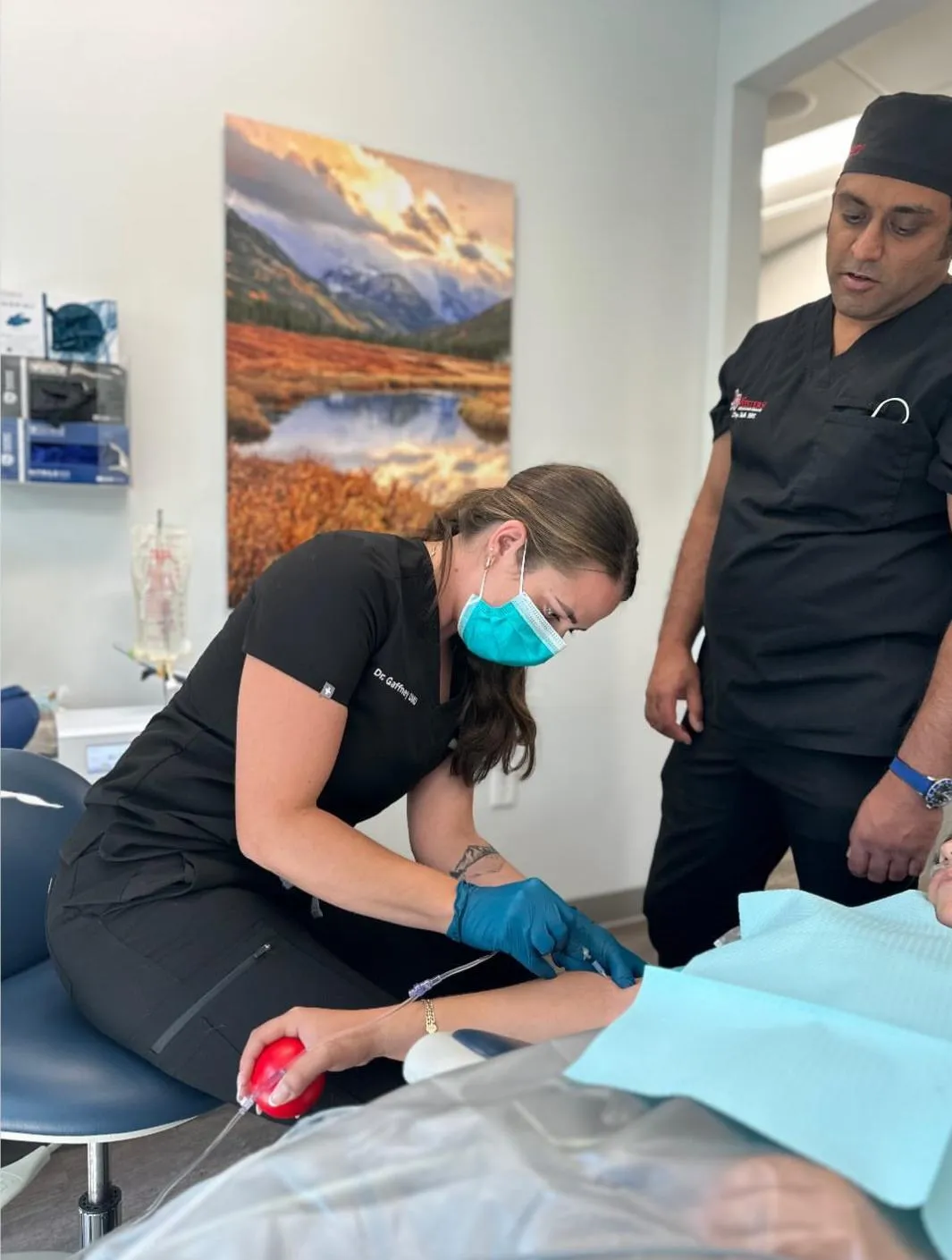
Common IV Sedation Complications and How to Prevent Them
The Reality Nobody Talks About: Complications Happen
Dr. Rebecca Martinez was 47 cases into her sedation practice when it happened. Everything had been routine—healthy 52-year-old patient, standard moderate sedation for multiple extractions, normal pre-operative assessment, appropriate drug dosing. Then, twelve minutes into the procedure, the pulse oximeter alarm sounded. Oxygen saturation had dropped from 98% to 89% in less than a minute.
Her training kicked in immediately. She stopped the procedure, called the patient's name, repositioned his head with a jaw thrust, increased oxygen flow, and stimulated him verbally and tactilely. Within ninety seconds, his saturation returned to 96%. The rest of the procedure proceeded without incident. The patient recovered normally and had no memory of the event.
Dr. Martinez did everything right. She recognized the problem immediately, intervened appropriately, and achieved a good outcome. But afterward, sitting alone in her office, her hands shook. The "what ifs" flooded her mind. What if she hadn't been watching the monitor? What if she'd panicked? What if the intervention hadn't worked?
This is the reality of sedation dentistry that training prepares you for but can't fully convey until you experience it: complications happen. Not frequently—oxygen desaturation severe enough to require intervention occurs in roughly 1-3% of moderate sedation cases. But when thousands of dentists perform tens of thousands of sedation cases annually, many practitioners will encounter at least minor complications.
The difference between a minor, well-managed complication and a catastrophic outcome isn't luck. It's recognition, preparation, and appropriate response. This comprehensive guide examines the most common complications in dental sedation practice, evidence-based prevention strategies, early warning sign recognition, step-by-step management protocols, and the systems that keep complications rare and manageable.
Trust Indicators:
15+ Years Training Safe Sedation Practice
5,000+ Practitioners Successfully Managing Complications
Zero Major Adverse Outcomes in Properly Trained Practices
Emergency Simulation Experts
Comprehensive Safety Protocols
[Schedule Safety Training Review]
Understanding Complication Rates and Risk
Defining "Complications"
The Spectrum of Adverse Events:
Not all complications are equal. Understanding the distinction helps maintain perspective:
Minor Complications:
Require intervention but resolve quickly
No lasting patient harm
Expected variability in sedation response
Examples: Brief oxygen desaturation, mild nausea, IV infiltration, transient hypotension
Moderate Complications:
Require significant intervention
May extend recovery time
No permanent sequelae with proper management
Examples: Prolonged oxygen desaturation requiring extended monitoring, severe nausea requiring medication, paradoxical reaction requiring reversal
Major Complications:
Require emergency response
May necessitate EMS activation
Risk of permanent injury without proper management
Examples: Respiratory arrest, cardiovascular collapse, severe allergic reaction, aspiration
Catastrophic Outcomes:
Death or permanent injury
Extremely rare in moderate sedation
Usually involve multiple factors (patient factors + provider factors + response factors)
Actual Complication Rates
Evidence-Based Statistics:
Moderate IV Sedation in Dental Practice:
Minor Complications:
Oxygen desaturation requiring intervention: 1-3%
Nausea/vomiting: 5-15% (varies by drugs used)
Excessive sedation requiring extended monitoring: 1-2%
IV site complications (infiltration, phlebitis): 2-5%
Overall minor complication rate: 10-20%
Moderate Complications:
Requiring reversal agents: 0.1-0.5%
Requiring extended medical monitoring: 0.5-1%
Emergency response activated: 0.1-0.3%
Overall moderate complication rate: 1-2%
Major Complications:
Requiring hospitalization: 0.01-0.05%
Permanent injury: <0.001%
Death: ~0.0003% (approximately 1 in 400,000 cases)
Context:
To provide perspective:
Risk of death from moderate dental sedation: ~1 in 400,000
Risk of death from general anesthesia: ~1 in 100,000-200,000
Risk of death from car accident (per trip): ~1 in 366,000
Risk of death from local anesthesia complications: ~1 in 1,000,000+
Moderate sedation is remarkably safe when properly administered to appropriate patients.
Risk Factors for Complications
Patient-Related Risk Factors:
High-Risk Characteristics:
ASA III or IV classification
Obesity (BMI >35)
Sleep apnea (especially untreated)
Significant cardiovascular disease
Significant respiratory disease (COPD, severe asthma)
Age extremes (very young or elderly >75)
Difficult airway anatomy
Multiple medication allergies
Substance abuse history (opioid/benzodiazepine tolerance)
Moderate-Risk Characteristics:
ASA II classification
Mild obesity (BMI 30-35)
Controlled chronic conditions
Mild sleep apnea
Age 65-75
Tobacco use
Anxiety disorders
Low-Risk Characteristics:
ASA I classification
Normal weight
No chronic medical conditions
Age 18-65
Non-smoker
No airway concerns
Provider-Related Risk Factors:
Increased Complication Risk:
Inexperience (<50 cases)
Inadequate monitoring
Poor patient selection
Inappropriate drug dosing
Distraction during sedation
Inadequate emergency preparedness
Solo practice without trained staff
Complacency from routine success
Decreased Complication Risk:
Adequate experience (>50 cases)
Meticulous monitoring
Conservative patient selection
Careful drug titration
Focused attention during sedation
Regular emergency drills
Well-trained team
Healthy respect for potential complications
The Safety Paradox
Why Complications Happen to Good Practitioners:
Sedation is inherently a balance between effectiveness and safety:
Too little sedation: Patient anxious, uncomfortable, treatment difficult
Adequate sedation: Patient comfortable, cooperative, amnestic
Too much sedation: Risk of respiratory depression, airway compromise
The therapeutic window varies by patient. What produces perfect sedation in one patient may be inadequate or excessive in another, even with similar demographics and medical history.
This variability is why:
Complications occur even with proper technique
Vigilant monitoring is essential
Titration rather than bolus dosing is standard
Recognition and response are as important as prevention
The goal isn't zero complications—that's impossible. The goal is:
Minimizing complication frequency through prevention
Recognizing complications early through monitoring
Responding appropriately through training and preparation
Achieving good outcomes despite complications
Respiratory Complications
Oxygen Desaturation
Most Common Complication in Moderate Sedation:
Oxygen desaturation (SpO2 falling below normal) is the most frequently encountered complication, occurring in 1-3% of cases to a degree requiring intervention.
Why It Happens:
Primary Mechanisms:
Respiratory depression from sedative drugs
Airway obstruction from soft tissue relaxation
Hypoventilation from decreased respiratory drive
Patient positioning affecting airway patency
Combination of above factors
Contributing Factors:
Obesity (decreased respiratory reserve)
Sleep apnea (airway collapse tendency)
Supine positioning
Elderly patients (decreased respiratory responsiveness)
Opioid + benzodiazepine combination
Excessive sedation depth
Recognition:
Early Warning Signs:
SpO2 trending downward (98% → 96% → 94%)
Decreased respiratory rate (14 → 12 → 10 → 8)
Shallow breathing (reduced chest excursion)
Capnography waveform changes (if using)
Patient less responsive to verbal stimuli
Critical Values:
SpO2 <93%: Concerning, intervene
SpO2 <90%: Significant, immediate intervention
SpO2 <85%: Emergency, aggressive intervention
Prevention Strategies:
Pre-Operative:
Thorough airway assessment
Identify high-risk patients (obesity, sleep apnea)
Consider lighter sedation for at-risk patients
Ensure adequate NPO compliance
Patient positioning optimization
Intra-Operative:
Supplemental oxygen for all sedation cases
Continuous pulse oximetry monitoring
Regular respiratory rate assessment
Capnography monitoring (especially deep sedation)
Titrate drugs slowly with adequate time between doses
Avoid oversedation (patient should remain responsive)
Minimize opioid doses when possible
Head positioning to maintain airway patency
Management Protocol:
Step 1: Immediate Recognition (0-10 seconds)
Note SpO2 value and trend
Assess respiratory rate and effort
Check patient responsiveness
Step 2: Initial Interventions (10-30 seconds)
Call patient's name loudly
Tactile stimulation (shake shoulder)
Stop procedure temporarily
Increase oxygen flow (4-6 L/min)
Step 3: Airway Maneuvers (30-60 seconds)
Head tilt-chin lift
Jaw thrust if needed
Reposition patient (slight head elevation)
Clear any oral obstruction
Step 4: Assisted Ventilation (if needed, 60-90 seconds)
If SpO2 not improving and respirations inadequate:
Place oral or nasal airway
Bag-valve-mask ventilation
10-12 breaths per minute
Continue until spontaneous breathing adequate
Step 5: Consider Reversal (2-5 minutes)
If desaturation persists despite interventions:
Naloxone if opioid-related (0.04-0.1 mg IV increments)
Flumazenil if benzodiazepine-related (0.2 mg IV, may repeat)
Continue monitoring closely
Step 6: Recovery and Documentation
Continue monitoring until stable
May require extended recovery time
Patient may need overnight observation
Thorough documentation of event and response
When to Call EMS:
SpO2 remains <85% despite interventions
Inability to ventilate with bag-valve-mask
Loss of pulse or cardiac arrhythmia
Patient doesn't respond to reversal agents
Any doubt about ability to manage
Case Example:
Patient: 58-year-old male, ASA II (controlled hypertension), BMI 32, no known sleep apnea. Received Midazolam 3mg + Fentanyl 75mcg over 15 minutes for multiple extractions. At minute 18, SpO2 decreased from 97% to 91% over 90 seconds. Respiratory rate 8/minute.
Response: Stopped procedure, called patient's name (sluggish response), stimulated tactilely, increased O2 to 6 L/min, performed jaw thrust. Within 60 seconds SpO2 increased to 94%, within 2 minutes to 97%. Maintained increased O2 and lighter sedation level for remainder of procedure. Total delay: 4 minutes. Patient recovered normally with no memory of event.
Lesson: Timely recognition and appropriate response prevented escalation. Patient was slightly oversedated for his physiology; lower doses would have prevented the event.
Laryngospasm
Rare but Serious Airway Emergency:
Laryngospasm is involuntary contraction of the vocal cords causing complete or partial airway obstruction. Rare in moderate sedation (<0.1%) but requires immediate recognition and response.
Why It Happens:
Triggers:
Secretions or blood contacting vocal cords
Airway manipulation (suctioning, oral airway placement)
Light sedation with retained reflexes
Stimulation during emergence
Aspiration event
Risk Factors:
Active upper respiratory infection
Recent cold or cough
Smokers
Asthma or reactive airway disease
Children (more reactive airways)
Inadequate anesthesia depth for stimulation
Recognition:
Complete Laryngospasm:
Sudden inability to ventilate
No air movement despite respiratory effort
Silent chest (no breath sounds)
Paradoxical chest movement (chest retracts, abdomen protrudes)
Rapid oxygen desaturation
Patient panic if conscious
Partial Laryngospasm:
High-pitched inspiratory stridor
Difficulty ventilating (high resistance)
Decreased air movement
Patient distress
Progressive desaturation if not relieved
Prevention Strategies:
Pre-Operative:
Postpone if active URI (upper respiratory infection)
Identify at-risk patients
Adequate antisialagogue if excessive secretions (glycopyrrolate)
Intra-Operative:
Maintain adequate sedation depth
Minimize airway irritation
Gentle suctioning technique
Avoid stimulation during light sedation
Clear secretions before they reach airway
Smooth emergence (avoid abrupt stimulation)
Management Protocol:
Immediate Response (0-30 seconds):
Recognize complete obstruction immediately
Call for help
100% oxygen attempted (won't ventilate if complete)
Remove any oral foreign body
Larson Maneuver (30-60 seconds):
Apply firm pressure bilaterally behind mandibular ramus
Push anteriorly and superiorly ("laryngospasm notch")
This often breaks laryngospasm mechanically
Apply continuous positive pressure with bag-valve-mask
If Larson Maneuver Fails (60-90 seconds):
Deepen sedation: Propofol 20-30mg IV (if trained and authorized)
OR: Small dose succinylcholine 10-20mg IV (requires intubation capability)
Positive pressure ventilation with 100% oxygen
Prepare for Advanced Airway:
If laryngospasm doesn't resolve: call EMS
Continue attempted ventilation
Consider cricothyrotomy if complete obstruction persists (extremely rare necessity)
Post-Event:
Prolonged observation (minimum 2 hours)
May develop negative pressure pulmonary edema (rare)
Hospital evaluation if any concerns
Thorough documentation
When to Call EMS:
Laryngospasm not resolving within 2-3 minutes
Oxygen saturation critically low (<75%)
Loss of consciousness
Cardiovascular compromise
Any inability to manage
Prevention Is Key:
Laryngospasm is rare in moderate sedation largely because proper sedation depth, gentle technique, and attention to secretions prevent the conditions that trigger it. If you encounter laryngospasm, it's usually manageable with proper response, but prevention is far preferable.
Cardiovascular Complications
Hypotension
Common but Usually Mild:
Decreased blood pressure during sedation is common (5-10% of cases show significant decrease) but rarely problematic in healthy patients.
Why It Happens:
Mechanisms:
Vasodilation from sedative drugs
Decreased sympathetic tone (relaxation)
Dehydration (NPO status)
Vasovagal response to anxiety or pain
Positional changes
Underlying cardiovascular disease
Definitions:
Mild: 10-20% decrease from baseline
Moderate: 20-30% decrease from baseline
Severe: >30% decrease from baseline or systolic <90 mmHg
Recognition:
Monitoring:
Automated blood pressure every 5-10 minutes
Note trends, not just absolute values
Compare to baseline
Symptoms (if conscious):
Dizziness
Nausea
Pallor
Diaphoresis
Weakness
Signs:
Low blood pressure reading
Weak pulse
Cool, clammy skin
Decreased responsiveness
Prevention Strategies:
Pre-Operative:
Baseline vital signs for comparison
Hydration encouraged day before (within NPO guidelines)
Identify patients on antihypertensives
Consider whether to hold BP meds morning of sedation (consult with physician)
Intra-Operative:
Titrate drugs carefully (avoid bolus dosing)
Monitor BP regularly
Position patient appropriately (avoid extreme head-down)
Adequate pain control (pain can cause vasovagal reaction)
Management Protocol:
Mild Hypotension (10-20% decrease):
Observation
Slow or pause drug administration
Check again in 5 minutes
Usually self-resolves
Moderate Hypotension (20-30% decrease):
Position: Trendelenburg or legs elevated
IV fluids: Bolus 250-500ml normal saline
Pause drug administration
Monitor closely every 2-3 minutes
Consider need for vasopressor
Severe Hypotension (>30% or systolic <90):
Trendelenburg position immediately
IV fluid bolus 500ml rapidly
Consider vasopressor:
Ephedrine 5-10mg IV (if available)
OR Phenylephrine 50-100mcg IV
OR Epinephrine 5-10mcg IV
Continuous monitoring
Consider EMS if not responding
When to Call EMS:
Hypotension not responding to interventions
Associated chest pain or cardiac symptoms
Loss of consciousness
Severe (systolic <70) or prolonged
Special Considerations:
Elderly Patients:
May not tolerate hypotension well
Lower threshold for intervention
More cautious drug titration
Cardiac Disease Patients:
Maintain blood pressure near baseline
Have vasopressors immediately available
Lower threshold for EMS activation
Most hypotension in moderate sedation is mild, transient, and easily managed with positioning and fluids.
Hypertension
Less Common but Can Be Concerning:
Elevated blood pressure during sedation (5-8% of cases) is usually related to inadequate sedation or pain rather than drug effects.
Why It Happens:
Common Causes:
Inadequate sedation (patient anxious)
Inadequate local anesthesia (patient experiencing pain)
Full bladder (prolonged procedure)
Anxiety before sedation takes effect
Pre-existing uncontrolled hypertension
Drug interactions (some medications increase BP)
Rare Causes:
Paradoxical drug reaction
Medication error (sympathomimetic given inadvertently)
Recognition:
Values:
Mild: 10-20% above baseline
Moderate: 20-30% above baseline
Severe: >30% above baseline or >180/110
Associated Symptoms:
Patient restless or agitated
Facial flushing
Diaphoresis
Headache (if conscious enough to report)
Prevention Strategies:
Pre-Operative:
Identify patients with hypertension
Verify BP medications taken as scheduled
Ensure adequate baseline sedation
Intra-Operative:
Adequate sedation depth before starting
Adequate local anesthesia
Monitor patient comfort
Avoid painful stimulation of under-sedated patient
Management Protocol:
Mild Hypertension:
Observation
Assess patient comfort level
Ensure adequate sedation and anesthesia
Recheck in 5 minutes
Usually resolves with adequate sedation
Moderate Hypertension:
Assess cause:
Patient under-sedated? → Small additional sedative dose
Patient experiencing pain? → Additional local anesthesia
Patient anxious before sedation onset? → Wait for sedation effect
Pause procedure if BP remains elevated
Consider delaying until BP controlled
Severe Hypertension (>180/110 or symptomatic):
Stop procedure
Consider antihypertensive:
Labetalol 5-10mg IV (if available and trained)
Hydralazine 10mg IV (if available and trained)
If medication not available or comfort level: Call EMS
Do not continue procedure with severe hypertension
Risk of stroke, MI, or hypertensive emergency
When to Call EMS:
Hypertension >200/120
Associated chest pain, shortness of breath, severe headache
Neurological symptoms (vision changes, confusion, weakness)
Not responding to interventions
Any concerning associated symptoms
Key Principle:
Hypertension during sedation is usually a symptom (inadequate sedation/anesthesia), not a primary problem. Address the underlying cause rather than just treating the elevated BP.
Nausea and Vomiting
Post-Operative Nausea and Vomiting (PONV)
Common and Distressing:
PONV occurs in 5-15% of dental sedation cases (varies significantly by drugs used and patient factors).
Why It Happens:
Risk Factors:
Opioid medications (fentanyl, meperidine)
Female gender
History of motion sickness
History of PONV with previous sedation
Non-smoker (smokers have lower PONV rates)
Anxiety
Younger age
Prolonged procedures
Inadequate hydration
Hypotension
Swallowing blood during procedure
Drug-Related Risk:
Opioids: High risk (dose-dependent)
Midazolam: Low risk
Propofol: Very low risk (antiemetic properties)
Recognition:
Symptoms:
Patient reports nausea
Increased salivation
Pallor
Diaphoresis
Tachycardia
Restlessness
Timing:
Intra-operative: Uncommon in moderate sedation
Early recovery (0-30 minutes post): Most common
Late recovery (30 minutes-2 hours): Common
After discharge: Can occur, usually resolves
Aspiration Risk:
Critical Distinction:
Nausea while patient is sedated and supine: HIGH aspiration risk
Nausea during recovery while patient alert and upright: LOW aspiration risk
Prevention Strategies:
Pre-Operative:
Screen for PONV risk factors
Consider prophylactic antiemetic for high-risk patients:
Ondansetron 4mg IV before sedation
Ensure adequate NPO compliance (full stomach increases risk)
Pre-procedure hydration (within NPO guidelines)
Intra-Operative:
Minimize opioid doses
Consider propofol instead of or in addition to opioids (if trained)
Gentle surgical technique (minimize blood swallowing)
Adequate suction of blood and debris
Avoid hypotension
Smooth, gradual emergence
Post-Operative:
Keep patient upright during recovery
Avoid sudden position changes
Sips of water once fully alert
Delay oral medications until stable
Quiet, calm recovery environment
Management Protocol:
If Nausea Occurs During Sedation:
Turn patient to side immediately (aspiration precaution)
Suction ready
Stop procedure if possible
Lighten sedation (allow patient to become more alert)
Position upright as patient awakens
Administer antiemetic once alert
If Nausea During Recovery (Alert Patient):
Keep upright
Slow, deep breathing
Sips of water (if allowed)
Antiemetic medication:
Ondansetron 4mg IV or ODT
OR Promethazine 12.5-25mg IV (may cause drowsiness)
OR Metoclopramide 10mg IV
Cold compress to forehead/neck
Delay discharge until resolved or well-controlled
If Vomiting Occurs:
Support patient (head forward, contained)
Suction if needed
Antiemetic after vomiting episode
Assess for aspiration (coughing, difficulty breathing, wheezing)
Extend recovery observation
Provide reassurance
May need to postpone discharge
When to Extend Observation:
Repeated vomiting
Unable to tolerate oral fluids
Signs of aspiration
Significant patient distress
Any concerns about patient safety
Discharge Criteria:
Nausea resolved or minimal
If present, controlled with medication
Able to tolerate small amount of fluid
Vital signs stable
Responsible escort present
Antiemetic prescription provided
Patient Instructions:
Rest in quiet environment
Sips of clear fluids only initially
Progress to bland diet as tolerated
Avoid rich, greasy, or spicy foods
Antiemetic medication if needed
Call if severe or persistent vomiting
Paradoxical Reactions
Agitation Instead of Sedation
Rare but Challenging:
Paradoxical reactions (agitation, combativeness, or disinhibition instead of expected sedation) occur in <1% of cases but can be difficult to manage.
Why It Happens:
Risk Factors:
Extremes of age (very young or elderly)
Cognitive impairment or dementia
Psychiatric conditions
Alcohol use disorder
Personality disorders
History of paradoxical reactions to benzodiazepines
Individual drug sensitivity variation
Typical Presentation:
Instead of calm sedation:
Increased anxiety or panic
Agitation or restlessness
Combativeness or aggression
Inappropriate behavior
Disinhibition (saying/doing inappropriate things)
Confusion or disorientation
Hallucinations (rare)
Timing:
Usually occurs shortly after drug administration (5-15 minutes)
Occasionally during emergence from sedation
Recognition:
Early Signs:
Increasing restlessness after drug given
Patient becoming more rather than less anxious
Inappropriate comments or behavior
Resistance to instructions
Unusual affect
Escalating:
Attempting to leave chair
Removing monitoring equipment
Verbal aggression
Physical aggression
Complete loss of cooperation
Prevention Strategies:
Pre-Operative Screening:
Ask about previous sedation experiences
Specifically ask: "How did you respond to sedation in the past?"
Screen for psychiatric conditions
Screen for substance use
Identify elderly with cognitive concerns
Consider Alternative:
For patients with paradoxical reaction history: alternative sedation approach
Propofol instead of benzodiazepines (if trained and authorized)
Nitrous oxide instead
Referral for deeper sedation/general anesthesia in controlled setting
Management Protocol:
Mild Paradoxical Reaction:
Remain calm (your demeanor matters)
Verbal reassurance
Reorient patient
Gentle physical guidance
Do not add more sedative (may worsen)
Allow time for drug to wear off
Consider whether to proceed
Moderate Reaction (uncooperative but not dangerous):
Stop procedure
Ensure patient safety (lower chair, protect from injury)
Verbal de-escalation
Staff assistance for patient safety
Allow sedation to wear off naturally
Do not restrain unless absolutely necessary for safety
Consider reversal if benzodiazepine-related:
Flumazenil 0.2mg IV, may repeat to 1mg total
Resolves reaction quickly
Monitor for re-sedation
Severe Reaction (combative, dangerous):
Immediate staff assistance
Ensure patient safety (prevent injury)
Protect staff safety
Lower chair, remove hazards
Minimal physical restraint only if necessary for safety
Reversal agent:
Flumazenil 0.2mg IV, repeat every minute to 1mg total
If reversal doesn't resolve: consider EMS
After resolution: no procedure today, reschedule with different approach
Post-Event Management:
If Reaction Resolved:
Extended recovery observation
Ensure patient fully alert and oriented
Strong escort requirement
Thorough documentation
Different approach for future sedation
Patient Communication:
Explain what happened (paradoxical drug reaction)
Reassure not their fault
Discuss alternative approaches for future
Document reaction in medical record
Documentation:
Detailed description of reaction
Timeline of events
Interventions performed
Drug and dose that triggered reaction
Resolution
Patient condition at discharge
Plan for future sedation
Key Insight:
Paradoxical reactions are unpredictable, usually not preventable, but manageable with calm, appropriate response. The reaction is drug-induced and temporary. Once recognized, stop adding sedative drugs and either wait for resolution or reverse with flumazenil.
Medication-Related Complications
Excessive Sedation/Prolonged Recovery
Dosing Variability:
Individual response to sedative medications varies significantly. Occasionally, patients become more deeply sedated than intended or take longer to recover.
Why It Happens:
Patient Factors:
Small body size (inadequate weight-based adjustment)
Elderly (decreased drug metabolism)
Liver or kidney disease (impaired drug clearance)
Drug interactions (other CNS depressants)
Genetic variations in drug metabolism
Dehydration or hypovolemia
Opioid-naïve patients (very sensitive to opioids)
Provider Factors:
Dose too large for patient
Insufficient time between doses (stacking effect)
Not recognizing patient sensitivity
Failure to account for drug interactions
Recognition:
During Procedure:
Patient deeply sedated (difficult to arouse)
Decreased respiratory rate (<8/minute)
Oxygen saturation trending down
Decreased response to stimulation
Longer procedure time doesn't lighten sedation as expected
During Recovery:
Patient not awakening as expected
Prolonged drowsiness (>60 minutes in recovery)
Confusion or disorientation beyond expected
Inability to follow commands
Unsteady when attempting to sit up
Prevention Strategies:
Careful Dosing:
Weight-based calculations
Reduce doses for elderly, small patients
Titrate slowly with adequate intervals (3-5 minutes)
Monitor response before additional dosing
Know each patient's "enough" point
Err on side of under-dosing (can always give more)
Patient Assessment:
Review all medications for interactions
Identify elderly or small patients requiring reduced doses
Screen for liver/kidney disease
Ask about previous sedation experiences and doses
Monitoring:
Recognize deepening sedation early
Stop administering drugs at appropriate depth
Don't "chase" perfect sedation if patient is adequate
Management Protocol:
Excessive Sedation During Procedure:
Stop giving additional sedatives
Increase monitoring frequency (every 2-3 minutes)
Ensure adequate oxygenation and ventilation
Consider proceeding conservatively vs. stopping
If stopping: monitor until lightens appropriately
Verbal and tactile stimulation
Consider reversal if concerning (see below)
Prolonged Recovery:
Extend recovery time
Continue monitoring vital signs
Maintain IV access
Oxygen supplementation as needed
Patient safety (don't allow to ambulate until ready)
Stimulation (verbal, tactile)
Consider reversal agents:
Flumazenil 0.2mg IV for benzodiazepines (if no contraindications)
Naloxone 0.04mg IV for opioids (if respiratory depression)
May need overnight observation or hospital evaluation if extremely prolonged
Reversal Agent Considerations:
Flumazenil (Benzodiazepine Reversal):
Dose: 0.2mg IV over 30 seconds, may repeat every minute to 1mg total
Onset: 1-2 minutes
Duration: 30-60 minutes (may need repeated doses)
Cautions: May precipitate seizures in chronic benzodiazepine users
Watch for re-sedation
Naloxone (Opioid Reversal):
Dose: 0.04-0.1mg IV, may repeat every 2-3 minutes
Titrate to effect (adequate breathing, not complete reversal)
Onset: 1-2 minutes
Duration: 30-60 minutes (shorter than most opioids)
Caution: Complete reversal causes pain and potential agitation
Watch for re-sedation (especially with long-acting opioids)
Discharge Criteria (After Prolonged Recovery):
Patient fully alert and oriented
Vital signs stable and normal
Able to ambulate without assistance
No residual respiratory depression
Adequate time passed since reversal (minimum 2 hours)
Responsible escort and overnight supervision arranged
Follow-up plan established
Documentation:
Doses given and timeline
Depth of sedation observed
Recovery timeline
Interventions (reversal agents, extended monitoring)
Patient condition at discharge
Analysis of factors contributing to excessive sedation
Plan for different approach if future sedation needed
Allergic Reactions
Range From Mild to Life-Threatening:
True allergic reactions to sedation medications are rare (<0.1%) but require recognition and appropriate response.
Reaction Spectrum:
Mild (Most Common):
Localized reaction at IV site (redness, itching, swelling)
Mild rash or hives
Itching
Flushing
Moderate:
Generalized hives (urticaria)
Facial swelling
Wheezing or bronchospasm
Significant anxiety or agitation
Severe (Anaphylaxis):
Difficulty breathing, severe bronchospasm
Angioedema (facial/tongue/airway swelling)
Severe hypotension
Tachycardia or bradycardia
Loss of consciousness
Cardiovascular collapse
Recognition:
Timing:
Usually within minutes of drug administration
Can occur on first exposure (especially latex, antibiotics)
May occur on subsequent exposure (previous sensitization)
Signs and Symptoms:
Skin: Hives, rash, flushing, itching, swelling
Respiratory: Shortness of breath, wheezing, throat tightness, stridor
Cardiovascular: Hypotension, tachycardia, feeling faint
GI: Nausea, cramping, vomiting
Neurological: Anxiety, confusion, loss of consciousness
Prevention:
Pre-Operative:
Thorough allergy history
Specific questions about drug allergies and reactions
Distinguish true allergy from side effects
Document all allergies clearly
Avoid drugs with known allergies
Latex-free environment if latex allergy
Intra-Operative:
Awareness of allergy status
New drugs given slowly with observation
Emergency drugs immediately available
Management Protocol:
Mild Reaction:
Stop suspected drug immediately
Maintain IV access
Antihistamine: Diphenhydramine 25-50mg IV or IM
Observation for 30-60 minutes
If no progression: may continue with different drug
Extend recovery monitoring
Moderate Reaction:
Stop all drugs immediately
Maintain/secure airway
100% oxygen
Antihistamine: Diphenhydramine 50mg IV
Corticosteroid: Hydrocortisone 100mg IV or dexamethasone 10mg IV
If wheezing: Albuterol inhaler or nebulizer
Monitor vital signs closely (every 2-3 minutes)
Prepare for escalation
Consider EMS activation
Severe Reaction (Anaphylaxis):
Immediate recognition
Call 911/EMS immediately
Supine position (unless vomiting/respiratory distress, then recovery position)
Epinephrine 1:1000, 0.3-0.5mg IM (anterolateral thigh), repeat every 5-10 minutes if needed
100% oxygen, airway management
IV fluid bolus (500-1000ml rapidly)
Antihistamine: Diphenhydramine 50mg IV
Corticosteroid: Hydrocortisone 100-200mg IV
If bronchospasm: Albuterol
If hypotension: Epinephrine IV infusion (requires expertise)
CPR if cardiac arrest
Continue interventions until EMS arrives
Transport to emergency department
Post-Reaction:
Hospital evaluation for moderate-severe reactions
Observation period (minimum 4-6 hours) for biphasic reactions
Patient education about reaction
Documentation of specific drug and reaction
Medical alert notification
Allergy testing referral if uncertain causative drug
Alternative drugs for future sedation
Key Medications for Allergic Reactions:
Emergency Drug Kit Must Include:
Epinephrine 1:1000 (multiple doses)
Diphenhydramine injectable
Corticosteroid injectable (hydrocortisone or dexamethasone)
Albuterol inhaler
IV fluids
Critical Points:
Epinephrine is the first-line treatment for anaphylaxis
IM injection into anterolateral thigh (vastus lateralis)
Don't delay epinephrine waiting for other interventions
True anaphylaxis requires emergency department evaluation
IV-Site Complications
Infiltration and Extravasation
Common but Usually Minor:
IV infiltration (fluid entering tissue instead of vein) occurs in 2-5% of cases. Usually minor, occasionally problematic.
Why It Happens:
Causes:
IV catheter displacement during procedure
Inadequate securing of IV line
Patient movement
Small or fragile veins
Through-and-through vein puncture during placement
Prolonged IV duration without repositioning
Recognition:
Early Signs:
Swelling at IV site
Coolness of skin around site
Blanching (pale skin at site)
Patient reports discomfort, burning, or tightness
Sluggish or absent blood return
Increased resistance when injecting
Later Signs:
Significant swelling
Skin tightness
Possible blistering (rare)
Reduced hand mobility if significant
Prevention:
Proper IV Placement:
Choose appropriate vein and site
Confirm IV in vein (blood return)
Secure catheter well with tape/transparent dressing
Loop and secure IV tubing to prevent tension
Avoid placing IV over joint if possible
Monitoring:
Visual inspection of IV site periodically
Check patency before each drug administration
Observe for swelling or patient discomfort
Blood return check if any doubt
Management:
If Infiltration Suspected:
Stop injecting immediately
Don't flush further
Assess extent of infiltration
Remove IV catheter
Elevate extremity
Cool compress (for most drugs)
Establish new IV if sedation continuing
For Medications That Extravasate:
Most sedation drugs (midazolam, fentanyl, propofol) cause minimal tissue damage
Monitor site over next 24-48 hours
Patient instructed to report worsening swelling, pain, or skin changes
Warm compresses after 24 hours may help absorption
Rare Serious Complications:
Compartment syndrome (extremely rare, usually large volume extravasation)
Tissue necrosis (rare with sedation medications)
Infection at site
Patient Communication:
Explain what happened
Reassure usually resolves without issues
Provide instructions for home care
When to call if concerns
Follow-up if significant infiltration
Phlebitis
Vein Inflammation Post-Procedure:
Phlebitis (vein inflammation) is uncommon (<1%) but can develop 24-48 hours after IV sedation.
Why It Happens:
Risk Factors:
Mechanical irritation from catheter
Chemical irritation from medications (especially propofol, etomidate)
Prolonged IV duration
Multiple injection sites in same vein
Smaller veins
Inadequate catheter securing (movement)
Recognition:
Symptoms (Post-Procedure):
Pain along vein (usually 24-48 hours later)
Redness along vein path
Warmth
Possible palpable cord (inflamed vein)
Swelling
Differential:
Distinguish from infection (phlebitis no purulence, fever rare)
Distinguish from thrombophlebitis (more severe, possible clot)
Prevention:
Technique:
Largest vein that accommodates catheter comfortably
Smallest catheter that meets needs (20-22g typical)
Minimize IV duration (remove when no longer needed)
Secure well to prevent movement
Flush with saline after irritating drugs
Management:
If Patient Reports Post-Procedure:
Assess severity over phone
Warm compresses
Elevation of extremity
NSAIDs for discomfort (ibuprofen 400mg TID)
Usually resolves 3-7 days
Instruct when to call: fever, increasing pain/redness, purulence, red streak up arm
Follow-Up:
Most cases resolve with supportive care
If worsening: evaluation for infection or thrombophlebitis
Rarely requires medical intervention
Managing Multiple Simultaneous Complications
The Compounding Challenge
When Problems Multiply:
While most complications occur in isolation, occasionally multiple issues develop simultaneously, creating complex management scenarios.
Common Combinations:
Desaturation + Hypotension:
Mechanism: Both related to excessive sedation
Challenge: Competing priorities (positioning, oxygenation vs. blood pressure)
Approach: Airway and oxygenation first, then address hypotension
Nausea + Hypotension:
Mechanism: Vasovagal response, drug effects
Challenge: Positioning (upright for nausea, Trendelenburg for BP)
Approach: Anti-emetic first, position for comfort, IV fluids, then reassess BP
Desaturation + Paradoxical Agitation:
Mechanism: Multiple drug effects
Challenge: Patient fighting interventions
Approach: Safety first (prevent injury), airway management, consider reversal
The Cascade Effect:
Initial complications can trigger secondary problems:
Hypoxia → Bradycardia → Cardiac arrest
Hypotension → Hypoxia (decreased perfusion)
Nausea → Aspiration → Respiratory compromise
Agitation → Tachycardia/Hypertension → Cardiac stress
Management Principles:
Prioritize (ABC):
Airway first
Breathing second
Circulation third
Other complications after life-threats addressed
Call for Help Early:
Don't try to manage complex situations alone
Team activation
EMS if situation escalating
Systematic Approach:
Address most critical issue first
Reassess frequently
Don't get distracted by minor issues while missing major ones
Clear communication with team
Documentation:
Even more critical with complex events
Timeline essential
All interventions documented
Outcomes recorded
Prevention Through Systems
Pre-Sedation Checklists
Standardized Verification:
Checklists prevent complications by ensuring nothing is overlooked.
Sample Pre-Sedation Checklist:
Patient Verification:
[ ] Correct patient identified
[ ] Consent signed and discussed
[ ] Medical history reviewed
[ ] NPO status confirmed
[ ] Medications reviewed
[ ] Allergies verified and displayed
[ ] ASA classification assigned
Equipment:
[ ] Oxygen available with backup supply
[ ] Suction functional with backup
[ ] Monitoring equipment tested (pulse ox, BP, EKG)
[ ] Emergency drugs checked and not expired
[ ] Airway equipment available (bag-valve-mask, airways)
[ ] Defibrillator/AED available and functional
[ ] IV supplies ready
Staff:
[ ] Trained staff present
[ ] Roles assigned
[ ] Emergency protocols reviewed
[ ] Communication established
Patient Preparation:
[ ] Baseline vitals obtained
[ ] IV established and patent
[ ] Patient positioned appropriately
[ ] Monitoring attached and functioning
The Power of Checklists:
Studies in medicine consistently show checklists reduce complications by preventing oversights. Use them every single time, even for "routine" cases.
Emergency Drills
Practice Prevents Panic:
Regular emergency simulation training ensures appropriate response when real complications occur.
Monthly Drill Recommendations:
Rotate Through Scenarios:
Respiratory depression/apnea
Laryngospasm
Cardiac arrest
Severe hypotension
Allergic reaction/anaphylaxis
Seizure
Equipment failure
Drill Structure:
Announce: "This is a drill"
Present scenario
Team responds as in real event
Time the response
Use actual emergency equipment
Practice communication
Debrief afterward: what went well, what to improve
Benefits:
Builds muscle memory
Reveals equipment issues
Improves team coordination
Reduces panic during real events
Identifies system weaknesses
Maintains skills
Documentation:
Record drill date, scenario, participants
Note areas for improvement
Track improvements over time
Demonstrates commitment to safety
Continuous Monitoring
Vigilance Prevents Escalation:
Complications caught early are usually manageable. Delayed recognition allows escalation.
Monitoring Standards:
Continuous (Always):
Visual observation of patient
Pulse oximetry (with audible alarm)
Respiratory rate observation
Frequent (Every 5-15 Minutes):
Blood pressure
Heart rate (if not continuous ECG)
Level of consciousness
Recommended:
Capnography (especially deep sedation)
ECG (continuous for high-risk patients)
The Monitoring Mindset:
Trends matter more than individual values
Intervene on concerning trends before critical values reached
Never leave sedated patient unattended
Staff dedicated to monitoring (not doing other tasks simultaneously)
Alarms set appropriately and responded to immediately
Documentation of Complications
What to Document
Legal and Clinical Necessity:
Thorough complication documentation protects you legally and clinically.
Essential Elements:
Event Description:
What happened (specific complication)
When it occurred (time relative to drug administration, procedure)
How it was recognized (symptoms, signs, monitoring data)
Baseline and Event Vital Signs:
Vital signs before event
Vital signs during event
Frequency of monitoring during event
Interventions:
Specific actions taken (repositioning, oxygen, drugs, etc.)
Timing of interventions
Who performed interventions
Sequence of interventions
Response to Interventions:
Patient response to each intervention
Time to improvement
Final outcome
Communication:
Who was notified (staff, EMS, family)
Information provided
Post-Event:
Extended monitoring details
Patient condition at discharge
Instructions given
Follow-up plan
Analysis:
Contributing factors identified
Preventive measures for future
Example Documentation:
"10:22 AM: Noted SpO2 decrease from 97% to 91% over ~60 seconds. Respiratory rate decreased to 8/minute from baseline 14/minute. Patient response to verbal stimuli sluggish. Immediately stopped procedure, called patient's name loudly, tactile stimulation applied (shoulder shake), increased O2 from 2L to 6L via nasal cannula. Performed jaw thrust maneuver and head repositioning. Within 90 seconds SpO2 improved to 94%, within 2 minutes to 97%. Respiratory rate increased to 12/minute. Patient became more responsive. Maintained increased oxygen flow. Continued procedure at lighter sedation level without further events. Total procedure delay: 4 minutes. Patient recovered without complications, no memory of event. Contributing factors: Patient BMI 33, likely slightly excessive sedation depth for his physiology. Future recommendation: reduced initial dosing for similar patients."
Learning From Complications
Quality Improvement:
Every complication is a learning opportunity.
Post-Event Review:
Individual Review:
What happened and why?
Was it preventable?
What did I do well?
What could I have done better?
What will I change for future cases?
Team Debriefing:
Discuss event openly (no blame)
Identify system improvements
Update protocols if needed
Additional training needs identified
Aggregate Analysis:
Track all complications over time
Identify patterns
Compare to benchmarks
Continuous improvement
Key Takeaways: Complication Management in Sedation Dentistry
Complications in sedation dentistry are manageable with proper preparation, recognition, and response:
Complications are rare but possible with minor events (oxygen desaturation, nausea) occurring in 10-20% of cases, moderate complications in 1-2%, and major complications in <0.1%
Recognition is crucial through continuous monitoring with pulse oximetry, frequent vital signs, and attentive observation catching problems early when most manageable
Prevention strategies significantly reduce risk including conservative patient selection, careful drug titration, adequate monitoring, and thorough pre-operative assessment
Respiratory complications are most common with oxygen desaturation occurring in 1-3% of cases, usually easily managed with airway maneuvers, repositioning, and oxygen supplementation
Cardiovascular changes are usually mild with hypotension responding to positioning and IV fluids, and hypertension often indicating inadequate sedation or pain control
Nausea affects 5-15% of patients but is manageable with antiemetics and positioning, with aspiration risk minimal in alert, upright patients during recovery
Paradoxical reactions are rare (<1%) but require recognition and often reversal with flumazenil rather than additional sedation
Emergency preparedness is essential through regular drills, immediately available emergency equipment and drugs, and team training in crisis response
Systems prevent complications including pre-sedation checklists, standardized monitoring protocols, and quality improvement processes
Thorough documentation protects you both legally and clinically while facilitating learning and continuous improvement
The goal isn't zero complications—that's impossible. The goal is minimizing frequency through prevention, recognizing complications early through vigilance, and responding appropriately through training and preparation.
Customer Success Story
"I was terrified of complications when I started sedation. The first time a patient's oxygen saturation dropped to 89%, my heart was pounding. But my training kicked in—repositioned, increased oxygen, stimulated the patient. Within two minutes everything was fine. Now, 150 cases later, I've managed maybe five or six minor desaturation events, a couple of nausea episodes, and one infiltrated IV. Every time, the systems worked. Complications don't scare me anymore because I know I can recognize and manage them. That confidence came from training, preparation, and experience."
- Dr. Jason Torres, General Dentistry, 3 Years Sedation Experience ⭐⭐⭐⭐⭐ Verified Review
Prepare for Safe, Confident Sedation Practice
Understanding complications and how to prevent and manage them is essential for safe sedation practice. Don't navigate this critical knowledge alone.
Call for Safety Training Consultation
✓ Comprehensive Complication Recognition Training ✓ Emergency Response Protocols ✓ Monthly Simulation Drills ✓ Documentation Systems ✓ Quality Improvement Programs ✓ Ongoing Safety Support ✓ 24/7 Consultation Access
Business Hours: Monday-Friday, 8 AM - 6 PM EST
Frequently Asked Questions
Q: How will I know if I'm having a true emergency vs. normal variation?
This is one of the most common concerns for new sedation practitioners. The key is understanding what constitutes normal variation versus concerning changes. Normal variation includes: SpO2 fluctuating between 95-99%, blood pressure changing ±10-15% from baseline, mild drowsiness that responds to verbal stimulation, and minor discomfort requiring position adjustment. Concerning changes include: SpO2 trending downward especially below 93%, inability to arouse patient with verbal/tactile stimulation, blood pressure changes >20% from baseline, respiratory rate <10/minute, and progressive rather than stable changes. With experience (20-30 cases), you develop intuition for what's normal versus concerning. Early in practice, err on the side of caution—if something feels wrong, it probably deserves attention. Most experienced practitioners report that true emergencies "feel different" from routine cases—trust that instinct while you're building experience. Regular monitoring data helps distinguish: one low reading that rebounds quickly is different from progressive deterioration.
Q: What if I panic during a complication?
Fear of panicking is understandable, but several factors work in your favor. First, training creates automatic responses—muscle memory takes over even when anxious. Second, complications develop over seconds to minutes, not instantly, giving you time to recognize and think. Third, most complications are manageable with basic interventions (repositioning, oxygen, stimulation) that you've practiced. Fourth, your team is there to support—delegation to trained staff helps. Practical strategies: take a deep breath (literally—2-3 seconds centers you), verbalize what you're seeing ("oxygen saturation is dropping, patient breathing slowly"), and work through your emergency protocol step by step. Most practitioners report that during actual events, they don't have time to panic—they're too busy responding. The anxiety comes afterward during the debrief. With each successfully managed complication, confidence grows and anxiety decreases. By your 3rd or 4th event, you'll respond with much less anxiety because you've proven to yourself that you can handle it.
Q: Should I use reversal agents liberally or conservatively?
This is a nuanced decision. Conservative approach: reversal agents should be reserved for situations where the patient's safety is at risk—significant respiratory depression not responsive to basic interventions, excessive sedation preventing adequate monitoring or prolonging recovery unreasonably, or paradoxical reactions causing dangerous behavior. Don't use reversal for: minor desaturation responsive to basic airway maneuvers, patient adequately oxygenating even if deeply sedated, or simply to speed recovery when patient is safe. The reason for conservatism: reversal can cause patient discomfort (pain returns, anxiety returns), may precipitate nausea, and has duration shorter than sedatives (re-sedation possible). However, don't hesitate to use reversal when genuinely needed—patient safety always trumps convenience. Practical guideline: if you're considering reversal, try basic interventions first (repositioning, stimulation, oxygen) for 2-3 minutes. If inadequate response, use reversal without further delay. Better to reverse unnecessarily once than delay when truly needed.
Q: How do I know when to call EMS vs. manage in-office?
Call EMS for: loss of pulse/cardiac arrest, inability to ventilate patient despite proper technique, severe allergic reaction (anaphylaxis) especially if not rapidly responsive to epinephrine, chest pain with cardiovascular changes suggesting cardiac event, seizure not terminating within 5 minutes, any situation where you feel you're losing control or the patient is deteriorating despite interventions, and when you have any significant doubt. Manage in-office: oxygen desaturation responding to airway maneuvers and oxygen, hypotension responding to positioning and fluids, nausea/vomiting in alert patient, paradoxical reaction with successful reversal, excessive but stable sedation with adequate oxygenation and ventilation, and most minor complications responding appropriately to interventions. The threshold should be relatively low early in your sedation practice—if uncertain, call EMS. As experience grows, you'll develop better judgment about what's truly emergent versus manageable. Critical principle: EMS can always be cancelled if patient improves before arrival, but delayed activation when needed can be catastrophic. When in doubt, call—you can always explain it was precautionary.
Q: What if a complication happens and I did everything right?
This is important to understand: complications can occur even with perfect technique, appropriate patient selection, and proper drug dosing. Sedation inherently involves balancing therapeutic effect with side effects, and individual patient responses vary. If a complication occurs despite appropriate care, recognize that you didn't cause it—you encountered it. Your job isn't preventing every possible complication (impossible), but recognizing and managing them appropriately. From a legal standpoint, standard of care is judged by whether your actions were reasonable and appropriate, not whether the outcome was perfect. If you: selected an appropriate patient, used appropriate drugs and doses, monitored adequately, recognized the complication promptly, and responded according to standard protocols, you met the standard of care even if a complication occurred. Document thoroughly showing your appropriate care. Don't carry guilt over complications that occur despite proper practice—they're inherent risks that patients consent to and accept. Learn from every event, but don't internalize blame for unavoidable adverse events that you managed well.
Q: Should I modify my practice after experiencing a complication?
This depends on whether the complication revealed a preventable system issue or was simply an unavoidable event. After any complication, conduct honest self-assessment: Was patient selection appropriate? (If no: tighten selection criteria). Were drugs dosed appropriately? (If no: adjust dosing approach). Was monitoring adequate? (If no: improve monitoring). Did I recognize the complication promptly? (If no: additional training on recognition). Did I respond appropriately? (If no: additional emergency training). Were systems in place? (If no: implement missing systems). If the answer to all these is "yes" and you managed the complication well, no major practice modification is needed—continue practicing with the same careful approach. Don't let a single well-managed complication make you overly conservative or anxious. However, if you identify a pattern (multiple desaturation events, multiple PONV cases), look for common factors and adjust accordingly. After major complications (those requiring EMS or causing significant patient harm), consider a temporary pause to comprehensively review systems, possibly consult with mentors, and ensure confidence before resuming.
Q: How do I communicate with patients about complications after they occur?
Honest, empathetic communication is essential. What to say immediately after: "During the procedure, [describe what happened in simple terms]. This is something that can happen with sedation. I [describe interventions] and you're fine now. I'll continue monitoring you closely." What to include in follow-up discussion: factual description of what occurred, why it likely happened (if known), what interventions you performed, reassurance that you managed it appropriately, and that patient is safe now. What NOT to say: "I'm sorry, this is my fault" (sounds like admission of liability), "this has never happened before" (may be untrue and creates unrealistic expectations), "don't worry, everything's fine" (if outcome is uncertain), or speculative causes without evidence. Be honest but not alarming. Most patients appreciate knowing what happened and that you managed it well. Don't hide complications from patients—honesty builds trust, and discovered concealment destroys it. If patient suffered harm despite appropriate care, express empathy and concern while not admitting liability: "I understand this is difficult. We did everything according to standard care, but sometimes complications occur despite our best efforts. I want to make sure we support you through recovery."
Q: Will having a complication affect my malpractice insurance or license?
A complication alone doesn't affect insurance or license. What matters is whether you practiced appropriately and managed the complication well. Insurance carriers understand that complications are inherent risks of sedation—they expect occasional adverse events. What raises red flags for carriers: pattern of complications suggesting poor judgment, inadequate documentation suggesting poor practice, failure to have appropriate emergency equipment or training, or practicing outside scope of training/permit. A single well-managed complication with thorough documentation usually requires no insurance reporting. Multiple complications or any complication resulting in serious patient harm should be reported to your carrier per policy requirements. Regarding license: state boards understand complications occur. What concerns boards: failure to have proper permits, practicing outside authorized scope, inadequate emergency response, pattern of complications from poor judgment, or failure to report required events. If you have appropriate permit, practiced within scope, managed complications appropriately, and documented thoroughly, a complication won't jeopardize your license. In fact, thorough documentation of recognizing and managing complications demonstrates competence.
Q: What's the most important thing to prevent complications?
If there's a single most important factor, it's appropriate patient selection. Most serious complications occur in patients who were marginal candidates for in-office sedation. A healthy ASA I patient rarely develops serious complications regardless of slight variations in technique or dosing. A high-risk ASA III patient with multiple comorbidities is at significantly elevated risk even with perfect technique. Early in sedation practice, be conservative with patient selection: healthy patients only, straightforward procedures, adequate time. As experience and comfort grow, gradually expand to slightly higher-risk patients. This approach minimizes complication exposure during the vulnerable early phase when you're building skills and confidence. Many experienced sedation practitioners credit conservative early patient selection as the key factor in their safe track record. You can always expand your scope later—starting conservative and building gradually is the safest path. Beyond patient selection, the next most important factors are: careful drug titration (avoid bolus dosing, wait between doses), continuous vigilant monitoring (recognize problems early), and regular emergency preparedness (drills, equipment checks, team training).
Q: How do I prevent becoming complacent after many successful cases?
Complacency is a real risk after you've performed 50-100+ cases without complications—you can start feeling "this always goes smoothly, nothing will happen." Prevention strategies: maintain emergency drills even when they feel unnecessary (muscle memory degrades without practice), review case selection criteria periodically (resist pressure to accept marginal patients), actively watch monitors during every case (don't let attention wander), treat every case as your first case (follow checklists even for "routine" patients), remember your last complication regularly (keep healthy respect for risks), and participate in continuing education annually (hearing about others' complications maintains awareness). Some practitioners intentionally review complication management protocols quarterly even without experiencing complications, maintaining mental readiness. Others review complication case studies from literature to stay grounded in reality of risks. The key is recognizing complacency tendency and actively countering it with systems and habits that maintain vigilance. Paradoxically, the more successful your track record, the more intentional you must be about preventing complacency.
Build Confidence Through Preparation
Complications in sedation dentistry are manageable when you understand them, prepare for them, and know how to respond. The difference between anxiety and confidence is knowledge and training.
This article is for educational purposes only and does not constitute medical advice. Complication management should be performed according to your training, scope of practice, and current protocols. Consult with qualified medical professionals and follow all applicable regulations and standards of care.
Last Updated: November 2025


Facebook
Youtube
Instagram