

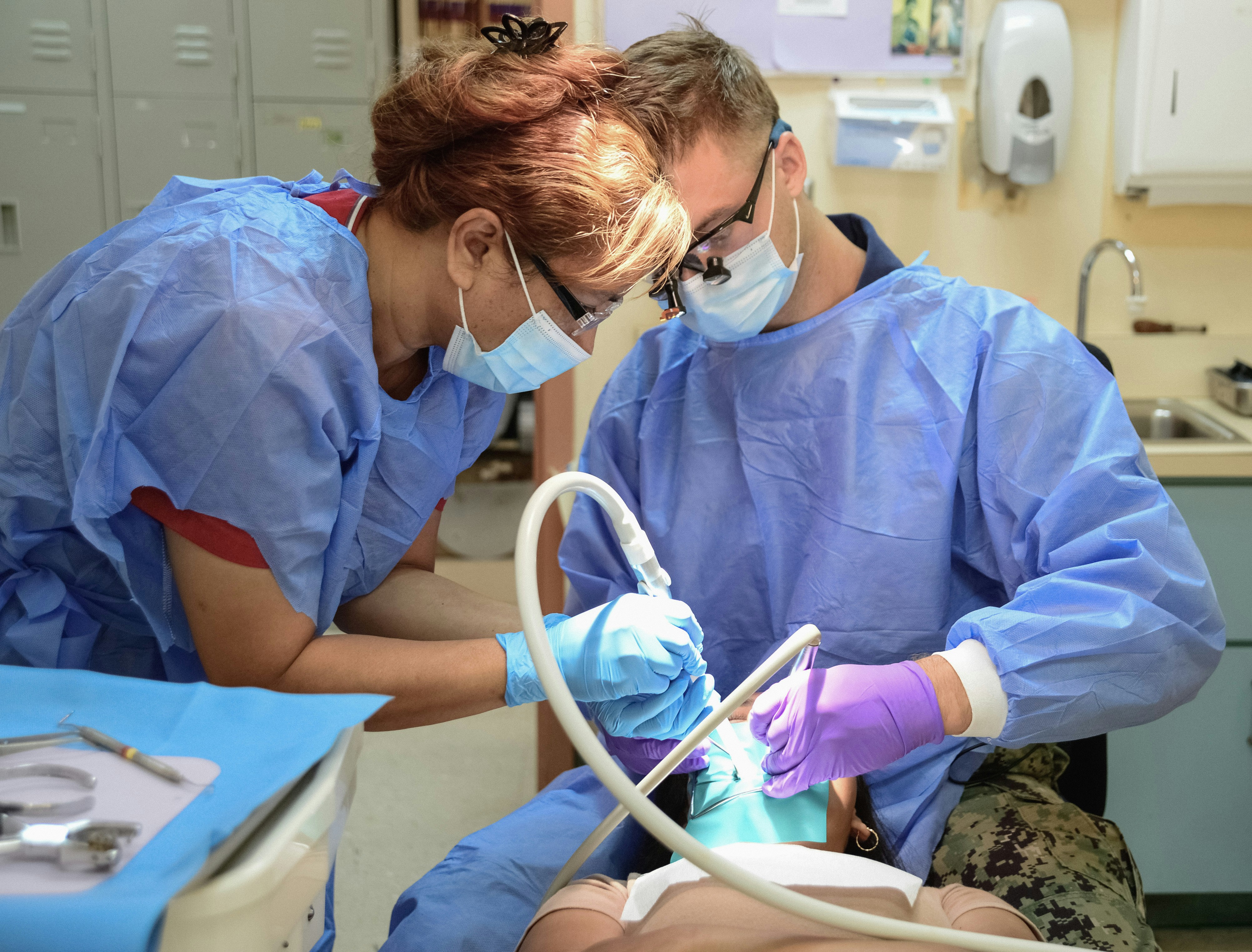
Hands-On vs. Online Sedation Training: What Works Best?
The $40,000 Question: Which Sedation Training Format Actually Prepares You for Real Patients?
You've decided to add IV sedation to your practice. The potential is clear: increased case acceptance, higher revenue, better patient care. But now you face a critical decision that will determine your success, safety, and confidence for years to come.
Should you invest in intensive hands-on training with real patient experience, or can online programs provide the knowledge and skills you need at a fraction of the cost and time commitment?
This comprehensive analysis breaks down both approaches, examining effectiveness, certification compliance, safety preparation, clinical competency development, and long-term practice success to help you make the most informed decision for your career and patients.
Trust Indicators:
15+ Years Training Dental Professionals
5,000+ Practitioners Certified
Board-Certified Anesthesia Instructors
100% State Permit Approval Rate
Introduction: The Evolution of Sedation Education
Ten years ago, the choice was simple: If you wanted to learn IV sedation, you enrolled in a university-based residency program or attended intensive multi-weekend courses with substantial clinical components. Online learning was limited to theoretical content, and no state would accept purely virtual training for sedation certification.
The landscape has changed dramatically. Advanced simulation technology, virtual reality training modules, and sophisticated online platforms have emerged. The COVID-19 pandemic accelerated acceptance of remote learning across healthcare. Today, dentists can access sedation education in formats ranging from entirely online to fully immersive clinical experiences—and everything in between.
But this proliferation of options has created confusion. Marketing claims promise "complete certification" through online-only programs, while traditional educators insist that nothing replaces hands-on patient experience. The stakes are high: choosing inadequate training doesn't just risk permit denial—it endangers patient safety and your professional reputation.
This guide cuts through the marketing noise to provide evidence-based analysis of what different training formats actually deliver, helping you choose the path that provides genuine competency, meets regulatory requirements, and positions you for confident, successful practice.
Critical Insight: While knowledge can be transmitted effectively through various formats, psychomotor skills, clinical judgment, and emergency response capabilities require specific types of experiential learning that not all formats provide equally.
<h2 id="training-formats">Understanding Training Format Options</h2>
The Spectrum of Sedation Training Delivery
Sedation training exists on a spectrum from purely theoretical to completely experiential. Understanding where different programs fall on this spectrum is essential for evaluating their suitability for your needs.
The Training Format Continuum:
1. Pure Online/Self-Paced Programs
Structure:
Video lectures and recorded content
Online reading materials and textbooks
Multiple-choice assessments
Virtual case studies
No live interaction with instructors
No clinical component
Duration: Typically 40-60 hours of content
What They Provide:
Pharmacology knowledge
Theoretical understanding of monitoring
Recognition of complications
Documentation protocols
Regulatory framework overview
What They Don't Provide:
Hands-on skill development
Real-time clinical decision-making
Patient assessment experience
Emergency response muscle memory
Supervised case experience
Equipment familiarity
State Acceptance: Very limited. Most states explicitly require clinical/hands-on components for sedation permits.
2. Online Didactic + Simulation/Manikin Training
Structure:
Online lectures for theoretical content
Weekend hands-on workshop with manikins
IV placement practice on task trainers
Emergency scenario simulations
Equipment operation training
Instructor-led skill stations
Duration: 40-60 hours online + 1-2 day workshop
What They Provide:
Comprehensive theoretical knowledge
Psychomotor skill practice in controlled environment
Equipment operation familiarity
Emergency protocol rehearsal
Some instructor feedback on technique
Certificate of completion
What They're Missing:
Real patient experience
Clinical variability and complexity
Decision-making under actual clinical conditions
Supervised patient care
Complication management in real scenarios
State Acceptance: Moderate. Some states accept this format with additional clinical preceptorship requirements.
3. Hybrid Programs: Online Didactic + Clinical Preceptorship
Structure:
Comprehensive online coursework
Live virtual sessions with instructors
Clinical rotation with experienced sedation provider
Supervised patient cases (typically 15-20)
Case documentation and review
Competency assessment
Duration: 60-80 hours didactic + 3-6 months clinical
What They Provide:
Complete theoretical foundation
Flexible learning schedule for didactic content
Real patient experience under supervision
Clinical decision-making development
Case variety exposure
Mentor relationship with experienced provider
Documentation of clinical cases
Advantages:
Balances scheduling flexibility with clinical experience
Often more affordable than full residential programs
Real patient exposure with supervision
Meets most state requirements
Challenges:
Quality depends heavily on preceptor
Finding qualified preceptor can be difficult
May lack standardization across preceptors
Self-directed clinical learning requires initiative
State Acceptance: High. Most states accept this format when clinical hours meet minimum requirements.
4. Intensive Residential/University-Based Programs
Structure:
Concentrated didactic sessions (lectures, workshops)
Extensive hands-on clinical rotations
Hospital or surgery center experience
Supervised patient cases (20-50+)
Emergency simulation training
Competency examinations
Duration: 1-2 years part-time or 2-6 months intensive
What They Provide:
Comprehensive theoretical and practical education
Standardized, structured clinical experience
Large volume of supervised cases
Variety of patient types and complexity levels
Access to experienced faculty
Peer learning with cohort
Robust emergency training
Strong credential recognition
Advantages:
Most comprehensive preparation
Structured learning progression
Quality control and standardization
Strong safety foundation
Often includes deep sedation/general anesthesia training
Prepares for most complex cases
Challenges:
Significant time commitment
Higher cost ($30,000-$60,000+)
Schedule inflexibility
May include content beyond moderate sedation needs
Geographic limitations
State Acceptance: Universal. All states accept university-based programs that meet ADA guidelines.
5. Continuing Education Modular Programs
Structure:
Series of weekend workshops over 3-6 months
Mix of didactic lectures and hands-on sessions
Live patient treatment days
Simulation and manikin training
Equipment operation workshops
Case discussions and review
Duration: 80-120 hours total over multiple weekends
What They Provide:
Comprehensive theoretical foundation
Practical skills development
Real patient experience in controlled settings
Instructor supervision and feedback
Equipment familiarization
Emergency training
Networking with fellow learners
Advantages:
Breaks training into manageable chunks
Maintains practice operations during training
Balanced didactic and clinical components
Typically includes adequate cases for certification
Instructor relationships develop over time
Challenges:
Multiple travel commitments
Extended timeline to completion
Moderate to high cost ($15,000-$30,000)
Requires sustained commitment over months
State Acceptance: High. When properly structured with adequate clinical cases, meets most state requirements.
<h2 id="state-requirements">State Licensing and Certification Requirements</h2>
What States Actually Require for Sedation Permits
Understanding your state's specific requirements is the first step in evaluating which training format will meet regulatory standards.
Universal Requirements Across Most States:
Educational Components:
Minimum 60 hours of instruction (some states require 80-100)
Specific content areas mandated:
Pharmacology of sedation agents
Patient evaluation and selection
Monitoring techniques and equipment
Recognition and management of complications
Emergency management protocols
Airway management
Legal and regulatory requirements
Clinical Requirements:
Minimum number of supervised cases (typically 15-20 for moderate sedation)
Cases must include actual patient sedation, not just observation
Documentation of case variety
Competency assessment by supervising practitioner
Cases must be completed within specific timeframe
Certification Requirements:
Current ACLS certification
Current dental license in good standing
Malpractice insurance
Clean disciplinary record
Facility Requirements:
Proper equipment availability
Emergency protocols established
Staff training documentation
The Clinical Experience Requirement: Details Matter
The "clinical component" requirement is where many dentists encounter confusion and where training format becomes critical.
What "Clinical Cases" Actually Means:
States Typically Require:
Direct participation in patient sedation (not observation)
Supervised by qualified sedation provider
Documentation of each case including:
Patient assessment
Drugs and dosages administered
Monitoring data
Complications if any
Patient outcomes
Variety of case types when possible
What Doesn't Usually Count:
Manikin practice
Simulation scenarios
Observing others perform sedation
Virtual patients or case studies
Video demonstrations
Critical Distinction: Some online programs advertise "hands-on training" when they mean manikin practice. While valuable for skill development, this doesn't fulfill state clinical case requirements.
Verifying Your State's Specific Requirements
Essential Steps:
1. Contact Your State Dental Board Directly Don't rely solely on training program representations:
Request current sedation permit application
Ask for list of approved training programs
Obtain written clarification of clinical requirements
Verify whether specific programs meet requirements
Understand inspection and renewal requirements
2. Review Your State's Dental Practice Act Access the legal document that governs practice:
Find sedation-specific sections
Note exact language about training requirements
Identify clinical case minimums
Understand continuing education requirements
Review any recent amendments
3. Consult with Dentists Who've Recently Obtained Permits Local practitioners provide real-world insights:
Which training programs did they use?
Did their state board accept the training?
Were there any issues during the application process?
What additional documentation was required?
How long did approval take?
4. Verify Program Accreditation and Recognition Before enrolling in any program:
Confirm the program is recognized by your state board
Verify ADA CERP approval if claimed
Check if the program meets ADA Guidelines for Teaching Pain Control
Request list of states where graduates have obtained permits
Ask for state board approval documentation
Red Flags:
Programs claiming "accepted in all 50 states" without documentation
Inability or unwillingness to provide state board approval evidence
Vague descriptions of clinical component
Promises of "guaranteed certification"
Pressure to enroll without time to verify state requirements
<h2 id="online-training">Online Sedation Training: Benefits and Limitations</h2>
What Online Learning Does Exceptionally Well
Online education has revolutionized access to dental continuing education, and for certain aspects of sedation training, it provides genuine advantages.
Legitimate Strengths of Online Sedation Education:
1. Theoretical Knowledge Transmission
Online platforms excel at delivering:
Pharmacology concepts and drug interactions
Physiological principles of sedation
Monitoring parameter interpretation
Documentation requirements and standards
Legal and regulatory frameworks
Risk assessment principles
Literature review and evidence base
Why This Works Online:
Information can be organized systematically
Students can learn at optimal pace
Complex concepts can be reviewed multiple times
Visual aids and animations enhance understanding
Testing can verify knowledge acquisition
Updates can be implemented quickly
Research Support: Studies consistently show equivalent knowledge gain between online and in-person lecture formats for theoretical content.
2. Scheduling Flexibility
For practicing dentists, this advantage is substantial:
Complete coursework around practice schedule
No extended time away from practice
Study during optimal personal learning times
Pause and resume as needed
Accommodate family and personal obligations
Eliminate travel time and costs for didactic content
Financial Impact: Maintaining practice operations while training can represent $20,000-$50,000 in preserved income versus programs requiring extended time away.
3. Self-Paced Learning
Different practitioners have varying educational needs:
Those with strong pharmacology background can move quickly through familiar content
Those needing foundational review can take extra time
Ability to revisit complex topics as needed
Learning style accommodation
Reduces frustration of group-paced classes
4. Cost Efficiency for Didactic Content
Online delivery dramatically reduces costs:
No facility rental for lectures
No travel expenses for students
Scalable to large student numbers
Content reusability
Lower overall program costs
Typical Savings: Online didactic content costs $2,000-$5,000 versus $8,000-$15,000 for equivalent in-person lectures.
5. Access to Diverse Expert Faculty
Online platforms enable:
Guest lectures from leading experts regardless of location
Multiple perspectives on complex topics
Specialists addressing specific complications
International expertise accessibility
Recording of exceptional presentations for future cohorts
Critical Limitations of Online-Only Training
Despite legitimate advantages, online learning has inherent limitations for sedation education that cannot be overcome through technological advancement alone.
Fundamental Gaps in Online-Only Programs:
1. Psychomotor Skill Development
Certain skills require physical practice with feedback:
IV Catheter Placement:
Tactile feedback of needle insertion
Recognition of "flash" in various venous conditions
Advancement and securement techniques
Troubleshooting difficult veins
Developing muscle memory for technique
Reality: No amount of video demonstration develops the hand-eye coordination and tactile sensitivity required for consistent IV placement. This is a learned motor skill requiring practice.
Airway Management:
Bag-valve-mask ventilation technique
Proper mask seal achievement
Jaw thrust and chin lift maneuvers
Oral and nasal airway insertion
Recognition of adequate ventilation
Reality: Emergency airway management requires practiced physical skills that must be performed correctly under stress. Cognitive knowledge without motor practice is insufficient.
Equipment Operation:
Monitoring device setup and interpretation
Suction equipment use
Oxygen delivery system management
Emergency equipment deployment
Defibrillator operation
Reality: Equipment familiarity requires hands-on interaction. Reading manuals doesn't create the automatic competence needed during emergencies.
2. Clinical Judgment Development
Pattern recognition and decision-making develop through experience:
Patient Assessment:
Recognizing subtle signs of oversedation
Distinguishing sedation depth levels
Identifying emerging complications early
Assessing airway adequacy
Determining appropriate interventions
Development Process: Clinical judgment emerges from repeated patient interactions where providers observe outcomes of their decisions, receive feedback, and internalize patterns.
Online Limitation: Case studies and videos provide examples but don't create the same neural pathways as direct experience with actual patients who respond to your actions in real-time.
Dose Titration:
Individual patient response variability
Timing of additional dosing
Recognizing adequate sedation
Avoiding oversedation
Adjusting technique based on patient factors
Experience-Dependent Skill: Books and lectures can describe principles, but the art of titration emerges from observing individual patient responses across diverse cases.
3. Stress Inoculation and Emergency Response
Managing actual emergencies requires exposure to high-stress situations:
The Stress Response Problem: When emergencies occur, stress physiology impacts performance:
Fine motor skills degrade
Cognitive processing narrows
Decision-making slows
Physical responses (tremor, tunnel vision)
Time distortion
Training Solution: Repeated simulation and real emergency management under supervision builds stress tolerance and automaticity that allows competent performance despite physiological stress response.
Online Gap: Reading emergency protocols doesn't create the stress response, so doesn't train stress management. First real emergency becomes first exposure to decision-making under pressure.
4. Complication Recognition in Real-Time
Textbook descriptions of complications differ from clinical presentation:
Respiratory Depression:
Books describe decreased respiratory rate and oxygen saturation
Reality includes subtle changes in chest wall movement, color changes, position shifts, and combinations of signs requiring immediate interpretation
Clinical Exposure Value: Supervised experience with minor complications (managed safely) teaches recognition patterns that prevent serious events in independent practice.
Online Limitation: Videos show complications but don't train real-time pattern recognition or decision-making speed required for safe patient care.
5. Patient Interaction and Communication
Working with sedated patients involves skills beyond technical proficiency:
Pre-Sedation Communication:
Assessing patient understanding
Identifying concerns requiring modification
Establishing rapport that facilitates cooperation
Explaining procedures at appropriate level
Obtaining truly informed consent
Intra-Procedure Management:
Calming anxious patients during induction
Maintaining patient cooperation
Recognizing patient distress vs. sedation
Adjusting communication for sedation level
Ensuring patient comfort and dignity
Experiential Learning: These interpersonal skills develop through actual patient interactions with feedback from experienced mentors.
When Online Training Makes Sense
Despite limitations, online learning has appropriate applications in sedation education:
Optimal Use Cases for Online Formats:
1. Didactic Foundation Before Hands-On Training
Learn theoretical concepts efficiently before clinical application
Maximize value of expensive in-person time by arriving prepared
Complete prerequisite knowledge at your own pace
Test comprehension before clinical training begins
2. Continuing Education After Initial Certification
Updates on new medications or techniques
Regulatory and legal requirement changes
Literature reviews and evidence updates
Refreshers on infrequently encountered topics
Maintenance of cognitive knowledge between renewals
3. Practice Management and Business Aspects
Marketing sedation services
Insurance and coding
Documentation systems
Staff training protocols
Patient communication strategies
4. Supplementary Learning
Deepening understanding of specific topics
Alternative perspectives on complex issues
Case study reviews
Complication analysis and learning
Protocol development resources
Appropriate Role: Online learning provides essential foundation and ongoing education but cannot replace clinical experience for initial competency development.
<h2 id="hands-on-training">Hands-On Training: The Clinical Experience</h2>
What Supervised Clinical Practice Provides
Direct patient care under supervision remains the gold standard for developing clinical competency in sedation dentistry.
Irreplaceable Elements of Hands-On Training:
1. Real Patient Variability
No two patients respond identically to sedation:
Variables You Encounter:
Age differences (metabolism variations)
Body composition effects (adipose tissue drug distribution)
Medication interactions (polypharmacy in elderly)
Anxiety level impacts (stress hormone effects)
Genetic metabolism variations (fast vs. slow metabolizers)
Tolerance from chronic medication use
Medical conditions affecting pharmacokinetics
Learning Through Variability: Experiencing diverse patient responses teaches you to anticipate, recognize, and respond to individual differences that textbooks describe abstractly.
Clinical Examples:
The 180-pound patient requiring minimal dosing due to medication sensitivities
The 140-pound patient with high tolerance requiring standard doses
The elderly patient with prolonged recovery despite conservative dosing
The anxious patient whose stress response delays sedation onset
Competency Development: After 20-30 supervised cases, patterns emerge that guide your initial dosing decisions and titration approach for each new patient.
2. Complication Management Experience
Minor complications in supervised settings become teaching opportunities:
Common Supervised Learning Experiences:
Brief oxygen desaturation episodes (managed with supplemental oxygen and position adjustment)
Oversedation requiring dose adjustment or reversal agent consideration
Nausea or vomiting management
Difficult IV placement scenarios
Equipment malfunction during procedures
Patient movement or emergence during procedures
Mild allergic reactions
Value of Supervised Complications: Each managed complication under supervision:
Builds pattern recognition for early signs
Teaches appropriate intervention sequencing
Develops confidence in managing problems
Removes panic response through exposure
Validates your training and emergency protocols
Confidence Building: Dentists who've managed complications in training are 4x more confident addressing them independently compared to those who first encounter problems alone.
3. Mentor Feedback and Correction
Real-time feedback accelerates skill development:
What Experienced Supervisors Provide:
Technique corrections before habits form
Nuanced clinical judgment guidance
Risk assessment refinement
Decision-making validation or redirection
Shortcuts and efficiency tips from experience
Recognition of developing complications
Confidence building through graduated independence
Feedback Timing Matters: Immediate correction during procedures is exponentially more valuable than delayed feedback. The association between action and outcome solidifies learning.
Progressive Supervision Model:
Early cases: Close supervision, frequent intervention
Middle cases: Observation with guidance
Later cases: Independence with backup availability
Final cases: Competency demonstration
4. Muscle Memory and Automaticity
Emergency responses must become automatic:
Skills Requiring Automaticity:
IV placement in emergent situations
Bag-valve-mask ventilation
Positioning for airway management
Emergency drug administration
Equipment deployment
Crisis resource management
Development Mechanism: Motor skills become automatic through repetition with feedback. Conscious thought is too slow for emergency response.
Hands-On Requirement: Physical practice creates neural pathways that enable automatic performance. Cognitive knowledge without motor practice doesn't build automaticity.
Safety Implication: First emergency in independent practice shouldn't be first time performing emergency airway management. Supervised practice creates the automatic responses that save lives.
5. Realistic Timeline and Workflow Integration
Understanding sedation within practice operations:
Practical Learning Includes:
Pre-operative preparation workflow
Time management during sedation
Monitoring documentation during procedures
Staff coordination and role assignment
Patient recovery monitoring
Discharge criteria and timing
Schedule building around sedation cases
Efficiency development over time
Reality Check: Academic understanding of sedation is necessary but insufficient. Integrating sedation into practice workflow while maintaining safety requires experience you gain through actual case performance.
Structure of Effective Clinical Training
Not all clinical experiences are equally valuable. Quality hands-on training includes specific structural elements.
Components of High-Quality Clinical Education:
1. Graduated Responsibility
Beginning: Observation and assistance
Early cases: Performing under direct supervision with instructor immediately available
Middle cases: Primary responsibility with supervisor observing closely
Advanced cases: Independent management with supervisor available for consultation
Final cases: Full independence demonstrating competency
2. Case Variety Exposure to diverse scenarios:
Different age groups (when applicable)
Various ASA classifications (I, II, some III)
Simple to complex procedures
Different anxiety levels
Various body types and sizes
Different medication responses
3. Structured Feedback
Post-case debriefing for every patient
Specific technique feedback
Decision-making analysis
Alternative approach discussions
Complication review when they occur
Progressive competency assessment
4. Emergency Simulation Beyond real cases, quality programs include:
Realistic emergency scenarios
High-fidelity simulation when available
Team-based crisis management
Multiple scenario types
Debriefing and performance analysis
5. Documentation Requirements
Detailed case logs for each patient
Self-reflection on performance
Supervisor evaluations
Complication documentation
Competency milestone tracking
<h2 id="hybrid-models">Hybrid Models: Best of Both Worlds</h2>
The Optimal Combination Approach
The most effective sedation training programs combine online learning's efficiency for didactic content with essential hands-on clinical experience.
Hybrid Model Structure:
Phase 1: Online Didactic Foundation (40-60 hours)
Self-paced online learning covering:
Pharmacology comprehensive review
Physiology of sedation
Patient evaluation criteria
Monitoring principles and interpretation
Complication recognition and management
Legal and regulatory frameworks
Documentation requirements
Pre-operative and post-operative protocols
Delivery Methods:
Video lectures from expert faculty
Interactive modules with embedded assessments
Digital textbooks and reference materials
Case study reviews
Virtual patient scenarios
Discussion forums with peers and instructors
Knowledge Verification:
Module quizzes and examinations
Minimum passing scores required
Comprehensive final examination
Prerequisite for advancing to clinical phase
Phase 2: In-Person Skills Workshop (16-24 hours)
Concentrated hands-on training including:
IV catheter placement (task trainers and potentially volunteer arms)
Airway management techniques (manikins)
Bag-valve-mask ventilation practice
Monitoring equipment setup and operation
Emergency scenario simulations
Drug calculation and preparation
Equipment troubleshooting
Team-based emergency response drills
Workshop Benefits:
Intensive skill development in concentrated time
Immediate instructor feedback
Peer learning opportunities
Equipment familiarization
Confidence building before patient care
Phase 3: Clinical Preceptorship (15-25+ cases over 3-6 months)
Supervised patient sedation cases:
Arrangement with qualified preceptor
Regular schedule for case experience
Progressive independence model
Comprehensive case documentation
Supervisor feedback and evaluation
Competency demonstration
Preceptorship Requirements:
Qualified supervisor with current sedation permit
Appropriate facility and equipment
Adequate case volume and variety
Time commitment for supervision and teaching
Written agreement defining responsibilities
Phase 4: Competency Assessment and Certification
Final evaluation including:
Case log review demonstrating required numbers and variety
Supervisor competency certification
Final written examination (if required)
Practical skills demonstration
Program completion certificate issued
Advantages of the Hybrid Approach
For Practicing Dentists:
Completes didactic learning efficiently online
Minimizes time away from practice
Reduces travel expenses
Maintains practice revenue during training
Provides essential clinical experience
Meets state licensing requirements
Builds confidence before independent practice
Cost Efficiency: Typical hybrid program costs: $12,000-$20,000 Compared to full residential: $30,000-$60,000 Savings: $10,000-$40,000
Time Efficiency:
Online didactic: Complete during evenings/weekends over 2-3 months
Skills workshop: Single weekend or two separate weekends
Clinical cases: Integrate into schedule over 3-6 months
Total time away from practice: 2-4 weekends instead of months
Educational Effectiveness:
Evidence shows equivalent didactic learning outcomes
Clinical competency development matches traditional formats when adequate cases completed
Flexibility doesn't compromise quality when properly structured
Finding Quality Hybrid Programs
Evaluation Criteria:
1. Verify State Board Acceptance
Confirm program graduates have obtained permits in your state
Request documentation of state board approval
Contact your state board to verify recognition
Review any special requirements or restrictions
2. Assess Didactic Content Quality
Credentials of faculty creating content
Alignment with ADA Guidelines for Teaching Pain Control
Comprehensive coverage of required topics
Assessment methods and passing standards
Technical quality of online platform
Student support availability
3. Evaluate Skills Workshop Component
Duration and structure
Instructor-to-student ratio (should be 1:4 or better for skill stations)
Equipment quality and availability
Scope of skills covered
Emergency simulation realism
Facility appropriateness
4. Understand Preceptorship Arrangements
Does program provide preceptor matching assistance?
What are preceptor qualification requirements?
How many cases are required?
What case variety is expected?
How is supervision verified and documented?
What support does program provide to preceptors?
Are there backup options if preceptorship fails?
5. Post-Graduation Support
Mentorship availability after completion
Consultation services for questions during early independent practice
Continuing education opportunities
Community of graduates for peer support
Equipment and supplier recommendations
Red Flags:
Vague descriptions of clinical component
No clear preceptorship structure or support
Inability to demonstrate state board acceptance
No instructor credentials provided
"Guaranteed certification" claims
Pressure to enroll immediately
No clear competency assessment process
<h2 id="competency-development">Competency Development: Skills vs. Knowledge</h2>
Understanding Different Types of Learning
Sedation competency requires multiple types of learning that develop through different mechanisms.
The Four Domains of Sedation Competency:
1. Cognitive Knowledge (Facts, Concepts, Principles)
What This Includes:
Drug pharmacology and pharmacokinetics
Physiological principles of sedation
Complications and their mechanisms
Legal and regulatory requirements
Contraindications and risk factors
Monitoring parameters and interpretation
Documentation standards
How It's Acquired:
Lectures (live or recorded)
Reading textbooks and articles
Case studies and examples
Testing and assessment
Discussion and explanation
Optimal Learning Format: Online learning is highly effective for cognitive knowledge transmission. Research consistently demonstrates equivalent learning outcomes between online and in-person formats for factual information.
Assessment Methods:
Written examinations
Case-based questions
Oral presentations
Written documentation review
2. Psychomotor Skills (Physical Procedures)
What This Includes:
IV catheter placement
Airway management techniques
Bag-valve-mask ventilation
Equipment operation
Patient positioning
Physical examination maneuvers
Emergency procedure execution
How It's Acquired:
Demonstration and observation
Supervised practice with feedback
Repetition to develop muscle memory
Progressive complexity
Error correction during performance
Required Learning Format: Physical practice with real-time feedback is essential. While initial exposure can occur through video demonstration, competency requires hands-on practice.
Progression:
Manikin/simulator practice for basic technique
Supervised practice on real patients
Independent performance with backup available
Automatic execution under stress
Assessment Methods:
Direct observation by qualified evaluator
Performance in simulated scenarios
Competency demonstration on real patients
Emergency simulation performance
3. Clinical Judgment (Decision-Making)
What This Includes:
Patient selection appropriateness
Sedation level and drug choice
Dose titration decisions
Complication recognition
Intervention timing and selection
Risk-benefit assessment
When to abort or modify procedures
How It's Developed:
Exposure to varied clinical situations
Observation of expert decision-making with explanation
Making decisions under supervision with feedback
Experience with outcomes of decisions
Pattern recognition from multiple cases
Reflection on cases and alternative approaches
Required Learning Format: Clinical judgment emerges primarily from experience with real patients presenting varied scenarios. Case studies provide examples, but pattern recognition develops through direct experience.
Development Timeline: Clinical judgment is the slowest competency to develop:
Basic decisions: After 10-15 cases with feedback
Nuanced judgment: Emerges over 50-100 cases
Expert intuition: Develops over years and hundreds of cases
Assessment Methods:
Case-based oral examinations
Observed decision-making during real cases
Post-case rationale explanations
Complication management performance
Supervisor evaluation of judgment quality
4. Affective Skills (Attitudes, Professionalism, Communication)
What This Includes:
Patient communication and rapport
Informed consent discussions
Managing patient anxiety
Professional responsibility
Ethical decision-making
Team communication
Family interaction
Cultural sensitivity
How It's Developed:
Role modeling from mentors
Real patient interactions
Feedback on communication
Reflection on patient experience
Professional identity development
Required Learning Format: While principles can be taught through any format, true skill development requires real interactions with patients and teams.
Assessment Methods:
Direct observation during patient care
Patient satisfaction feedback
Team member evaluations
Video review of interactions
Self-reflection exercises
Matching Training Format to Learning Needs
Effective Training Design Principles:
Use Online Learning For:
Cognitive knowledge foundation
Theoretical understanding
Regulatory information
Protocol and guideline review
Literature review
Cost-efficient content delivery
Self-paced foundational learning
Require Hands-On Training For:
Psychomotor skill development
Clinical judgment formation
Real patient experience
Complication exposure
Emergency response practice
Patient communication skills
Team coordination
Stress inoculation
Optimize Through Combination: Most efficient approach:
Build cognitive foundation online efficiently
Develop basic psychomotor skills in workshops
Integrate all competencies through supervised patient care
Achieve competency through graduated independence
Competency Timeline Reality:
Knowledge: Can be acquired in 40-60 hours of study
Basic psychomotor skills: Develop over 20-40 repetitions with feedback
Clinical judgment: Begins forming after 10-15 cases, continues developing over hundreds
Professional integration: Ongoing throughout career
<h2 id="emergency-preparedness">Emergency Preparedness and Simulation Training</h2>
Why Emergency Training Is Non-Negotiable
The low probability but high consequence nature of sedation emergencies makes preparation essential.
The Emergency Preparedness Paradox:
Statistical Reality:
Serious complications are rare (1 in 10,000-100,000 cases depending on sedation depth)
Most sedation is completed without incident
Many practitioners never encounter major emergencies
Training Imperative: Despite rarity, when emergencies occur:
Response time is measured in seconds to minutes
Proper management prevents morbidity and mortality
Improper response causes catastrophic outcomes
Legal and ethical responsibility is absolute
The Problem: Human psychology makes us poor at preparing for rare events. Without training, the first emergency becomes our first experience with high-stakes decision-making under intense stress.
Levels of Emergency Simulation
1. Cognitive Learning (Lowest Fidelity)
Format:
Reading emergency protocols
Watching video demonstrations
Case study review
Flow chart memorization
What It Provides:
Knowledge of appropriate responses
Understanding of sequence
Recognition of emergency types
What It Doesn't Provide:
Stress response management
Decision-making speed
Physical skill execution
Team coordination
Real-time assessment
Value: Necessary but insufficient foundation.
2. Tabletop Exercises (Low Fidelity)
Format:
Verbal scenario presentation
Team discussion of responses
Decision-making without time pressure
Protocol review and application
What It Provides:
Team familiarity with protocols
Role clarification
Logical sequencing of interventions
Identification of resource needs
What It Doesn't Provide:
Stress response
Physical skill practice
Real-time decision speed
Equipment operation
Value: Useful for protocol familiarization and team coordination discussion.
3. Manikin-Based Simulation (Moderate Fidelity)
Format:
Realistic patient simulators
Scenario-based training
Physical interventions performed
Real-time decision-making
Equipment operation
Team coordination
What It Provides:
Physical skill practice under scenario conditions
Team communication development
Equipment familiarization
Decision-making under time pressure
Error recognition and learning
Stress exposure (moderate)
Advanced Simulators Provide:
Physiological responses to interventions
Realistic vital signs
Response to medications administered
Deterioration if interventions inadequate
Variety of emergency scenarios
Value: Highly effective for developing emergency response capabilities without patient risk.
4. In-Situ Simulation (High Fidelity)
Format:
Simulations in actual practice environment
Full team participation
Real equipment used
Realistic time pressure
Environmental distractions
System problems exposed
What It Provides:
Testing of actual emergency systems
Identification of equipment location issues
Communication barriers in real environment
Workflow interruption management
True team dynamics
Environmental stress factors
Value: Exposes system weaknesses and builds team coordination in actual practice setting.
5. Supervised Real Emergency Management (Highest Fidelity)
Format:
Actual patient complications during training
Supervised response with immediate backup
Real consequences of decisions
Post-event debriefing
What It Provides:
Authentic stress exposure
Validation of training
Confidence from successful management
Pattern recognition from real patient responses
Understanding of how emergencies actually present
Value: Transforms theoretical knowledge into confident competence through managed real-world experience.
Essential Emergency Scenarios for Training
Minimum Scenarios Every Sedation Provider Must Practice:
1. Respiratory Depression/Apnea
Recognition of inadequate ventilation
Airway positioning interventions
Oxygen delivery and assisted ventilation
Reversal agent consideration and administration
When to call EMS
Documentation
2. Laryngospasm
Recognition of complete airway obstruction
Immediate interventions (pressure, positioning)
Medication administration if needed
Positive pressure ventilation
Escalation if unsuccessful
3. Cardiovascular Emergencies
Severe hypotension management
Bradycardia response
Tachycardia differentiation and treatment
Cardiac arrest protocol
4. Allergic Reactions
Recognition of severity levels
Antihistamine administration for mild reactions
Epinephrine protocols for anaphylaxis
Fluid support
EMS activation timing
5. Aspiration
Recognition and immediate positioning
Suction use
Airway protection
Transfer protocols
6. Equipment Failure
Oxygen system failure
Monitoring equipment malfunction
Suction system failure
Power loss
IV infiltration
Simulation Training in Different Program Formats
Online Programs: Typically provide minimal to no simulation:
May include video demonstrations of scenarios
Virtual case studies of emergencies
Written protocol review
No physical skill practice
No stress response training
Limitation: Cannot develop physical emergency response skills or stress management.
Hybrid Programs with Skills Workshops: Usually include basic simulation:
Manikin-based emergency scenarios
Basic airway management practice
Equipment operation training
Team communication exercises
4-8 hours of simulation training typical
Value: Provides foundation but limited repetition and scenario variety.
Comprehensive Residential Programs: Extensive simulation integration:
Regular scenario-based training throughout program
Progressive complexity
Multiple scenario types
Team-based training
Debriefing and performance analysis
20-40 hours of simulation typical
Value: Builds robust emergency response capabilities through extensive practice.
Best Practice Recommendation: Regardless of initial training format, ongoing emergency simulation should be part of practice maintenance:
Monthly emergency drills with staff
Annual formal simulation training
Scenario rotation to maintain breadth
In-situ simulation in your practice
Documentation of training
<h2 id="cost-analysis">Cost-Benefit Analysis: Investment vs. Value</h2>
Complete Cost Comparison
Understanding true costs requires examining both direct expenses and opportunity costs.
Pure Online Programs:
Direct Costs:
Tuition: $2,000-$5,000
ACLS certification: $300-$400
Study materials: Often included
Technology requirements: Minimal
Total Direct Cost: $2,300-$5,400
Opportunity Costs:
Study time: 40-60 hours (can be done during off-hours)
Practice impact: Minimal (no time away)
Hidden Costs:
Additional clinical training needed to meet state requirements: $5,000-$15,000
Potential preceptor arrangement fees
Travel to find qualified preceptor
Extended timeline to certification
Possible permit denial if inadequate clinical component
True Total Cost: $7,300-$20,400+
Timeline: 6-12 months including finding preceptor and completing cases
Hybrid Programs (Online + Workshop + Preceptorship):
Direct Costs:
Online tuition: $3,000-$7,000
Skills workshop: Often included, or $1,000-$3,000
ACLS certification: $300-$400
Preceptorship arrangement: $0-$5,000 (varies widely)
Travel for workshop: $500-$2,000
Study materials: Usually included
Total Direct Cost: $4,800-$17,400
Opportunity Costs:
Study time online: 40-60 hours (off-hours)
Skills workshop: 1-2 weekends away from practice
Clinical cases: Integrated into schedule (minimal practice impact)
Practice revenue impact: $2,000-$8,000 (weekend closures)
True Total Cost: $6,800-$25,400
Timeline: 4-8 months from start to completion
Intensive Modular CE Programs:
Direct Costs:
Tuition: $15,000-$30,000
ACLS certification: $300-$400
Study materials: Usually included
Travel for multiple weekends: $2,000-$6,000
Lodging for multiple weekends: $1,500-$4,000
Total Direct Cost: $18,800-$40,400
Opportunity Costs:
Weekend course attendance: 6-10 weekends over 4-6 months
Practice closures or coverage: $6,000-$15,000
Family time on weekends: Significant but unquantifiable
True Total Cost: $24,800-$55,400
Timeline: 4-6 months of active training
University-Based Residential Programs:
Direct Costs:
Tuition: $30,000-$60,000
ACLS/PALS certification: $500-$800
Books and materials: $500-$1,500
Housing (if required relocation): $0-$15,000
Travel: $1,000-$5,000
Total Direct Cost: $32,000-$82,300
Opportunity Costs:
Time away from practice: 6 months to 2 years part-time
Lost practice revenue: $20,000-$100,000+ depending on structure
Associate coverage costs: Variable
True Total Cost: $52,000-$182,300+
Timeline: 6 months (intensive) to 2 years (part-time)
Return on Investment Analysis
Revenue Impact of Adding Sedation:
Conservative Scenario (5 sedation cases/month):
Average sedation case value: $3,500
Monthly sedation revenue: $17,500
Additional revenue vs. traditional treatment: ~$7,500
Annual increased revenue: $90,000
After expenses (drugs, supplies, staff time): ~$60,000 net
Moderate Scenario (10 sedation cases/month):
Monthly sedation revenue: $35,000
Additional revenue vs. traditional: ~$15,000
Annual increased revenue: $180,000
Net after expenses: ~$120,000
Robust Scenario (20 sedation cases/month):
Monthly sedation revenue: $70,000
Additional revenue vs. traditional: ~$30,000
Annual increased revenue: $360,000
Net after expenses: ~$240,000
ROI Timeline:
Online + Hybrid Training ($10,000-$25,000 total cost):
Conservative scenario: ROI in 2-5 months
Moderate scenario: ROI in 1-2 months
Robust scenario: ROI in <1 month
Modular CE Programs ($25,000-$55,000 total cost):
Conservative scenario: ROI in 5-11 months
Moderate scenario: ROI in 3-5 months
Robust scenario: ROI in 1-3 months
Residential Programs ($50,000-$180,000+ total cost):
Conservative scenario: ROI in 10-36 months
Moderate scenario: ROI in 5-18 months
Robust scenario: ROI in 3-9 months
Value Beyond Financial ROI
Non-Financial Benefits:
Patient Care Enhancement:
Ability to treat anxious patients who would otherwise avoid care
Comprehensive treatment completion
Better outcomes from reduced patient stress
Access to care for special needs populations
Professional Satisfaction:
Expanded clinical capabilities
Problem-solving for complex cases
Helping patients overcome fear
Professional growth and challenge
Practice Differentiation:
Competitive advantage in market
Referral source from other providers
Marketing distinctive capability
Practice growth potential
Patient Loyalty:
Higher retention of anxious patients
Strong referral generation
Deeper patient relationships
Premium positioning
Cost-Effectiveness Decision Framework
Choose Online/Hybrid If:
Budget is primary constraint
Practice operations cannot be interrupted
You're confident in self-directed learning
Quality preceptor arrangement available
State requirements clearly met by program
You value flexibility highly
Choose Modular CE If:
You want structured, comprehensive training
Budget is moderate
You can manage weekend commitments
You value peer learning
You want guided clinical experience
You need full certification support
Choose Residential If:
You want most comprehensive preparation
Budget allows significant investment
You can arrange extended time away
You plan to offer deep sedation/general anesthesia
You value intensive mentorship
You're early career with flexibility
You want preparation for most complex cases
Critical Consideration: The cheapest training isn't valuable if it doesn't prepare you for safe, confident practice or meet state requirements. The most expensive training may be inefficient if it includes content beyond your needs.
<h2 id="long-term-success">Long-Term Success Factors</h2>
What Predicts Successful Sedation Practice
Research and experience reveal that initial training format is less predictive of long-term success than several other factors.
Key Success Predictors:
1. Adequate Clinical Case Volume During Training
Minimum Effectiveness Threshold:
Below 15 supervised cases: Inadequate preparation, high anxiety in independent practice
15-20 supervised cases: Meets minimum, but often lacks confidence
20-30 supervised cases: Good foundation for independent practice
30-50+ supervised cases: Strong preparation with high confidence
Data: Dentists completing 25+ supervised cases report 85% confidence in independent practice vs. 52% for those completing minimum 15 cases.
Implication: Focus on clinical case volume more than didactic hours when choosing programs.
2. Quality of Clinical Supervision
Characteristics of Excellent Preceptors:
Actively engaged during procedures
Provides real-time guidance and correction
Explains decision-making rationale
Allows graduated independence
Conducts thorough post-case debriefings
Creates safe learning environment
Exposes trainee to variety of cases
Poor Supervision Warning Signs:
Preceptor absent during critical moments
No feedback or minimal interaction
Trainee merely observing rather than performing
Same case type repeatedly
Rushed cases without teaching
No structured progression
Impact: Quality of supervision matters more than quantity of cases. Twenty well-supervised, discussed cases provide better preparation than 40 cases with minimal supervision.
3. Ongoing Education and Simulation
Successful Practitioners:
Maintain regular emergency simulation practice (monthly with staff)
Attend sedation-focused continuing education annually
Participate in peer discussion groups
Stay current with literature and guidelines
Seek consultation when encountering challenges
Continuously refine protocols based on experience
Struggling Practitioners:
No emergency training after initial certification
Isolated practice without peer support
Outdated protocols and techniques
Reactive rather than proactive safety culture
4. Appropriate Patient Selection
Success Factor: Initial cases should be:
ASA I-II only (healthy patients)
Moderate anxiety (not extreme phobia)
Straightforward procedures (not complex oral surgery)
Adequate time allocated (not rushed)
Good veins for IV access
Cooperative patients
Gradual Complexity Increase: After 20-30 straightforward cases, gradually expand to:
More anxious patients
More complex procedures
Longer duration cases
Mildly compromised patients (ASA II-III)
Common Mistake: Accepting complex cases too early, leading to complications, loss of confidence, or abandonment of sedation services.
5. Strong Team and Systems
Essential Elements:
Well-trained staff with defined roles
Clear protocols everyone follows
Regular team training and drills
Quality monitoring equipment
Adequate emergency supplies
Documentation systems
Schedule built to accommodate sedation appropriately
Team Impact: Even excellently trained dentists struggle without prepared, competent teams. Conversely, adequate training combined with outstanding team support produces excellent outcomes.
Common Pitfalls and How Training Format Affects Them
Pitfall #1: Inadequate Emergency Preparedness
Risk Factors:
Online-only training without simulation
No ongoing emergency drills
Rushed or inadequate skills workshops
False confidence from theoretical knowledge
Mitigation:
Ensure training includes substantial simulation
Implement monthly emergency drills regardless of training format
Annual formal simulation training
Video review of emergency protocols
Format Impact: Residential and comprehensive modular programs typically provide better emergency preparation, but all formats require ongoing practice maintenance.
Pitfall #2: Poor Clinical Judgment
Risk Factors:
Minimal supervised case experience
Lack of complication exposure during training
Inadequate preceptor feedback
Jumping to complex cases too quickly
Mitigation:
Prioritize clinical case volume and quality in program selection
Arrange additional mentorship if initial training minimal
Consultation network for challenging cases
Conservative patient selection initially
Format Impact: Programs with robust clinical components (hybrid with good preceptorship, modular CE, residential) produce better clinical judgment faster.
Pitfall #3: Technical Skill Deficits
Risk Factors:
Online-only programs without hands-on component
Limited IV placement practice
No airway management training
Equipment unfamiliarity
Mitigation:
Ensure training includes adequate hands-on skill development
Additional workshops if needed
Practice on manikins and task trainers
IV practice on staff/colleagues before patients
Format Impact: All programs except pure online should provide adequate technical skill training if properly structured.
Pitfall #4: Isolation and Lack of Support
Risk Factors:
Self-paced online learning without community
No ongoing mentorship access
Geographic isolation from other sedation providers
No peer network for consultation
Mitigation:
Join sedation dentistry discussion groups
Maintain relationship with training program instructors
Develop consultation relationships with oral surgeons or anesthesiologists
Attend sedation-focused conferences
Format Impact: Residential and modular programs typically create peer networks; online/hybrid programs may leave practitioners isolated without intentional community building.
Customer Success Story
"I initially chose an online-only program because of the lower cost and convenience. Halfway through, I realized it wouldn't meet my state's clinical requirements and I wasn't developing the confidence I needed. I ended up enrolling in a comprehensive hybrid program that included actual patient cases under supervision. The additional investment was worth it—I completed my first independent sedation case feeling genuinely prepared, not terrified. Looking back, trying to save money almost derailed my ability to add sedation to my practice."
- Dr. Robert Patel, General Dentistry ⭐⭐⭐⭐⭐ Verified Review
Choose Your Training Path with Confidence
The decision between hands-on and online sedation training isn't binary—it's about finding the optimal combination of learning formats that provides genuine competency while respecting your time and budget constraints.
Ready to make the right training choice for your practice?
📞 Call for Free Training Consultation: [Phone Number] 📅 Schedule Program Comparison Session: [Booking Link] 💬 Live Chat Available
✓ State Requirement Verification ✓ Program Format Recommendations ✓ ROI Analysis for Your Situation ✓ Preceptorship Arrangement Support ✓ 15+ Years Training Dental Professionals
Business Hours: Monday-Friday, 8 AM - 6 PM EST
Key Takeaways: Training Format Selection
Choosing between hands-on and online sedation training requires understanding the strengths and limitations of each format:
Online learning excels at cognitive knowledge transmission but cannot develop psychomotor skills, clinical judgment, or emergency response capabilities alone
State licensing requirements almost universally require supervised clinical cases—verify your specific state requirements before enrolling in any program
Hybrid models combining online didactic with hands-on clinical experience offer optimal balance of flexibility and comprehensive preparation for most practitioners
Clinical case volume and supervision quality matter more than didactic hours—prioritize programs providing 20+ supervised patient cases with excellent mentorship
Emergency preparedness requires physical simulation training—no amount of reading or video watching substitutes for practiced emergency response
Pure online programs rarely meet state requirements and leave critical skill gaps unless supplemented with substantial hands-on training
Residential and comprehensive modular programs provide most complete preparation but require significant time and financial investment
ROI analysis should consider both financial return and risk mitigation—inadequate training creates safety risks and confidence deficits that impact practice success
Long-term success depends on ongoing education and simulation regardless of initial training format—emergency drills and continuing education are essential
The cheapest training option is expensive if it doesn't prepare you adequately or meet state requirements, requiring additional training or preventing certification
Choose training that provides genuine competency, meets regulatory requirements, and positions you for confident, safe, successful sedation practice.
<h2 id="faq">Frequently Asked Questions</h2>
Q: Can I get my sedation permit with only online training?
This depends entirely on your state requirements, but in most cases, no. The vast majority of states require documented supervised clinical cases with actual patients—not just manikin practice or simulations. Some online programs advertise "complete certification" but only provide the didactic knowledge component. You'll need to arrange clinical preceptorship separately to meet state requirements. Always verify your specific state's requirements with your dental board before enrolling in any program, and confirm that graduates of the program you're considering have successfully obtained permits in your state.
Q: How many supervised cases do I actually need to feel confident?
While state minimums typically range from 15-20 cases, research and practitioner surveys suggest 25-30 cases provide significantly better confidence for independent practice. The number matters less than the quality of supervision and case variety. Twenty well-supervised cases with different patient types, thorough debriefing, and graduated independence will prepare you better than 40 cases of minimal supervision doing identical procedures. If you complete your program's minimum and still feel unprepared, arrange additional mentored cases before practicing independently—this additional investment prevents problems and builds essential confidence.
Q: Is simulation training on manikins as good as real patient experience?
Simulation and manikin training is excellent for developing basic psychomotor skills and emergency response without patient risk, but it doesn't replace real patient experience. Simulation should be viewed as essential preparation for patient care, not a replacement for it. Manikins provide consistent anatomy for learning technique, but real patients present variations in anatomy, responses to medications, and clinical challenges that simulation can't fully replicate. The optimal approach uses simulation for initial skill development and emergency training, then applies those skills with real patients under supervision.
Q: What if my state accepts online training—should I still do hands-on?
Even if your state technically accepts a training format, consider whether it actually prepares you for safe, confident practice. Meeting minimum legal requirements and being truly competent are different standards. If you're contemplating an online-only program that your state accepts, ask yourself: Would you feel comfortable having your first independent sedation case be your first time managing a real sedated patient? If the answer is no, seek additional hands-on training regardless of what your state minimally requires. Your patients, your professional reputation, and your peace of mind depend on genuine competency, not just legal compliance.
Q: How much hands-on training is in typical "hybrid" programs?
This varies dramatically, which is why you must carefully evaluate specific programs rather than assuming all "hybrid" programs are equivalent. Some programs market themselves as hybrid but only include a single weekend workshop with manikins and no real patient cases—requiring you to arrange all clinical experience yourself. Better hybrid programs include 15-25 supervised patient cases as part of the program structure. Always ask specifically: How many actual patient sedation cases are included? Are preceptor arrangements provided or must I find my own? What documentation and supervision standards are required? Don't accept vague answers—get specifics in writing.
Q: Can I find my own preceptor to get clinical experience?
Yes, but finding a qualified, willing preceptor who has time to properly supervise your cases can be challenging. Your preceptor must hold a current sedation permit, have appropriate facilities and equipment, maintain adequate patient volume, and be willing to dedicate time to teaching and supervision. Some dentists find excellent preceptors through professional networks, while others struggle for months and give up on sedation entirely. Programs that include preceptor matching services or structured clinical rotations remove this barrier. If you're considering a program requiring you to find your own preceptor, research your local options before enrolling—don't assume you'll easily find qualified supervision.
Q: Is a university program worth the extra time and cost?
For most general dentists wanting to add moderate IV sedation to their practices, university-based programs provide more training than necessary at significantly higher cost and time commitment. These programs are excellent if you want the most comprehensive preparation, plan to offer deep sedation or general anesthesia, want experience with medically compromised patients, or are considering specializing in sedation/anesthesia. For moderate sedation only, well-structured hybrid or modular programs provide adequate preparation at lower cost and faster completion. However, if budget and time aren't constraints, university programs provide the strongest foundation and most credentials.
Q: How important is ACLS training vs. the sedation-specific training?
Both are essential but serve different purposes. ACLS provides general cardiac emergency training that every sedation provider needs—it's typically a minimum legal requirement. However, ACLS courses aren't sedation-specific and don't address complications unique to dental sedation (like laryngospasm management or sedation-specific emergency protocols). Your sedation training should include sedation-specific emergency scenarios beyond general ACLS content. Some practitioners mistakenly believe ACLS certification means they're prepared for sedation emergencies—it's necessary but insufficient. Sedation training must include dental sedation-specific emergency preparation in addition to ACLS.
Q: What should I do if I completed training but still don't feel ready?
First, recognize that some anxiety about your first independent cases is normal and healthy—it reflects appropriate respect for the responsibility. However, if you feel genuinely unprepared rather than just nervous, seek additional training before practicing independently. Options include: additional mentored cases with experienced provider, intensive simulation training, review courses, consultation with your training program instructors, or shadowing experienced sedation dentists. Never perform sedation independently if you feel unprepared—this is how dangerous situations develop. Your first independent cases should be straightforward patients with good support systems in place. Also consider starting with minimal sedation (nitrous oxide) before advancing to IV sedation if that feels more comfortable.
Q: Do online programs count for continuing education after I'm already certified?
Yes, online programs are generally excellent for continuing education once you have established competency. After initial certification and clinical experience, online courses efficiently deliver updates on new medications, technique refinements, regulatory changes, and case reviews. Many states accept online formats for sedation CE requirements. The distinction is that online learning maintains and enhances existing competency but doesn't create initial competency—particularly for procedural skills and emergency management. Use online CE for knowledge updates, attend in-person workshops or simulation courses periodically for skills refreshment and emergency training maintenance.
Q: How do I know if a training program is legitimate and recognized?
Verify several factors: Is the program approved by your state dental board (confirm this directly with the board, not just program claims)? Are instructors credentialed with current sedation permits and appropriate qualifications? Does the program meet ADA Guidelines for Teaching Pain Control and Sedation? Can the program provide names of recent graduates who obtained permits in your state (contact them)? Is the program accredited for CE credit by recognized organizations? Are clinical components clearly defined with specific case numbers and supervision standards? What is the program's history and track record? Red flags include vague answers, inability to provide documentation, no verifiable graduate success, or programs that just emerged without established reputation.
Final Call to Action: Get the Training That Actually Prepares You
The difference between adequate training and exceptional preparation isn't just about confidence—it's about patient safety, practice success, and your professional fulfillment. Don't settle for training that meets minimum requirements but leaves you unprepared for the realities of sedation practice.
Western Surgical and Sedation offers comprehensive hybrid training combining:
✓ Efficient Online Didactic Foundation ✓ Intensive Hands-On Skills Workshops ✓ Supervised Clinical Case Experience (25+ cases) ✓ Emergency Simulation Training ✓ Ongoing Mentorship and Support ✓ 100% State Permit Approval Rate ✓ Proven Track Record with 5,000+ Graduates
Don't compromise on the foundation of your sedation practice:
This article is for informational purposes only and does not constitute professional or legal advice. Sedation training requirements vary by state and change periodically. Always verify current requirements with your state dental board before enrolling in any training program.
Last Updated: November 2025
Facebook
Youtube
Instagram